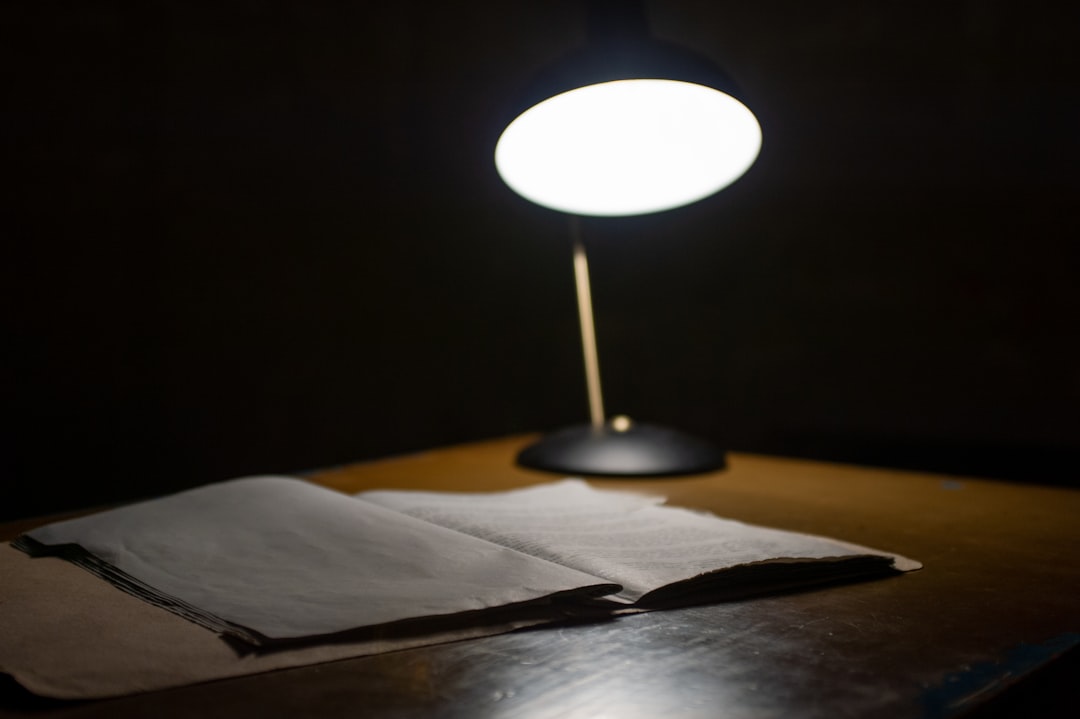
Efficient lighting plays a crucial role in our daily lives, influencing not only our productivity but also our overall well-being. In both residential and commercial settings, the quality and efficiency of lighting can significantly affect mood, focus, and even health. Poor lighting can lead to eye strain, headaches, and decreased productivity, while well-designed lighting can enhance the ambiance of a space, making it more inviting and conducive to work or relaxation.
As we spend a considerable amount of time indoors—whether at home, in offices, or in educational institutions—the importance of efficient lighting cannot be overstated. Moreover, the shift towards energy-efficient lightingF solutions has become increasingly vital in the context of global energy consumption and environmental sustainability. Traditional incandescent bulbs consume a significant amount of electricity and have a shorter lifespan compared to modern alternatives.
By adopting energy-efficient lighting options, individuals and organizations can reduce their carbon footprint while also lowering energy costs. This dual benefit underscores the importance of making informed choices about lighting solutions that not only meet our immediate needs but also contribute to a more sustainable future.
Benefits of Energy-saving Desk Lamps
Energy-saving desk lamps Revopin offer a multitude of benefits that extend beyond mere energy conservation. One of the most significant advantages is their cost-effectiveness over time. While the initial investment in energy-efficient lighting may be higher than traditional options, the long-term savings on electricity bills can be substantial.
For instance, LED desk lamps consume up to 80% less energy than incandescent bulbs, translating into lower monthly utility costs. This financial incentive encourages consumers to make the switch to more sustainable lighting solutions. In addition to cost savings, energy-saving desk lamps often provide superior lighting quality.
Many modern designs utilize advanced technology to deliver bright, even illumination that reduces glare and enhances visibility. This is particularly important for tasks that require precision, such as reading, writing, or working on intricate projects. Furthermore, many energy-efficient lamps come with adjustable brightness settings and color temperature options, allowing users to customize their lighting environment according to their specific needs and preferences.
This adaptability not only improves comfort but also promotes better focus and productivity.
Features to Look for in an Energy-saving Desk Lamp
When selecting an energy-saving desk lamp, several key features should be considered to ensure optimal performance and satisfaction. First and foremost, the type of light source is critical. LED lamps are widely regarded as the most efficient option due to their longevity and low energy consumption.
They typically last up to 25,000 hours or more, significantly outpacing traditional incandescent bulbs, which may only last around 1,000 hours. Additionally, LEDs emit less heat, making them safer and more comfortable for prolonged use. Another important feature is adjustability.
A desk lamp that offers flexible arm positioning or a swivel head allows users to direct light precisely where it is needed most. This is particularly beneficial for individuals who engage in various tasks throughout the day, as it enables them to create an optimal lighting setup for each activity. Furthermore, features such as dimmable settings and color temperature adjustments can enhance the versatility of a desk lamp, allowing users to switch between warm and cool light depending on the time of day or specific task requirements.
How to Choose the Right Energy-saving Desk Lamp for Your Needs
Choosing the right energy-saving desk lamp involves assessing individual needs and preferences while considering the specific environment in which it will be used. One of the first steps is to evaluate the primary purpose of the lamp. For example, if the lamp will primarily be used for reading or detailed work, a model with higher lumens (brightness) and adjustable features may be necessary.
Conversely, if the lamp is intended for ambient lighting or casual use, a softer light with lower lumens might suffice. Another factor to consider is the design and aesthetics of the lamp. The style should complement the existing decor of the workspace or home office while also being functional.
Desk lamps come in various designs—from sleek modern styles to more traditional looks—allowing consumers to choose one that fits their personal taste. Additionally, portability can be an essential consideration for those who may need to move their lamp frequently or use it in different locations. Lightweight models with compact designs are ideal for such scenarios.
Tips for Using Energy-saving Desk Lamps Effectively
To maximize the benefits of energy-saving desk lamps, users should adopt certain practices that enhance their effectiveness. One key tip is to position the lamp correctly to minimize shadows and glare. Ideally, the light source should be placed at an angle that illuminates the workspace without causing direct light to hit the eyes or reflecting off surfaces.
For right-handed individuals, placing the lamp on the left side can help reduce shadows cast by their hands while writing or drawing. Another effective strategy is to take advantage of adjustable features. Many energy-saving desk lamps come with dimming capabilities or color temperature adjustments that allow users to tailor their lighting environment based on time of day or specific tasks.
For instance, cooler light temperatures can enhance alertness during daytime work hours, while warmer tones may create a more relaxed atmosphere in the evening. Regularly cleaning the lamp and its shade can also improve light output by removing dust and grime that may accumulate over time.
Comparing Energy-saving Desk Lamps to Traditional Desk Lamps
When comparing energy-saving desk lamps to traditional options, several distinctions become apparent that highlight the advantages of modern technology. Traditional incandescent bulbs are known for their warm glow but are notoriously inefficient; they convert only about 10% of energy into visible light while wasting the rest as heat. In contrast, energy-saving lamps like LEDs utilize advanced semiconductor technology to produce light more efficiently, resulting in lower energy consumption and longer lifespans.
Additionally, traditional desk lamps often lack versatility in terms of brightness and color temperature adjustments. Users are typically limited to one fixed setting that may not suit all tasks or preferences. Energy-saving desk lamps frequently offer multiple brightness levels and adjustable color temperatures, allowing users to create a customized lighting experience tailored to their specific needs.
This adaptability not only enhances comfort but also promotes better focus and productivity throughout various activities.
The Environmental Impact of Energy-saving Desk Lamps
The environmental impact of energy-saving desk lamps is significant when viewed through the lens of global energy consumption and sustainability efforts. By reducing electricity usage, these lamps contribute to lower greenhouse gas emissions associated with power generation. For instance, switching from traditional incandescent bulbs to LED lamps can result in a reduction of carbon dioxide emissions by hundreds of pounds per year per household.
This collective impact becomes even more pronounced when considering widespread adoption across homes and businesses. Moreover, energy-saving desk lamps often contain fewer hazardous materials compared to traditional options. For example, many LED lamps are free from toxic substances like mercury, which is commonly found in compact fluorescent lamps (CFLs).
This reduction in hazardous waste not only makes disposal easier but also minimizes environmental contamination risks associated with improper disposal practices. As consumers become increasingly aware of their ecological footprint, choosing energy-efficient lighting solutions aligns with broader sustainability goals.
The Future of Energy-saving Lighting Technology
The future of energy-saving lighting technology appears promising as innovations continue to emerge at a rapid pace. One notable trend is the integration of smart technology into lighting solutions. Smart desk lamps equipped with sensors can automatically adjust brightness based on ambient light levels or user preferences, optimizing energy usage without sacrificing performance.
Additionally, connectivity features allow users to control their lighting remotely via smartphones or voice-activated devices, enhancing convenience and customization. Another exciting development is the exploration of organic light-emitting diodes (OLEDs) as a potential alternative to traditional LED technology. OLEDs offer unique advantages such as flexibility and thinness, enabling new design possibilities for lighting fixtures while maintaining energy efficiency.
As research progresses in this area, we may see a new generation of lighting solutions that not only conserve energy but also redefine aesthetics in interior design. In conclusion, efficient lighting remains a cornerstone of modern living and working environments. The transition towards energy-saving desk lamps represents a significant step forward in promoting sustainability while enhancing user experience through improved functionality and design.
As technology continues to evolve, consumers can look forward to even more innovative solutions that prioritize both efficiency and aesthetic appeal in their lighting choices.