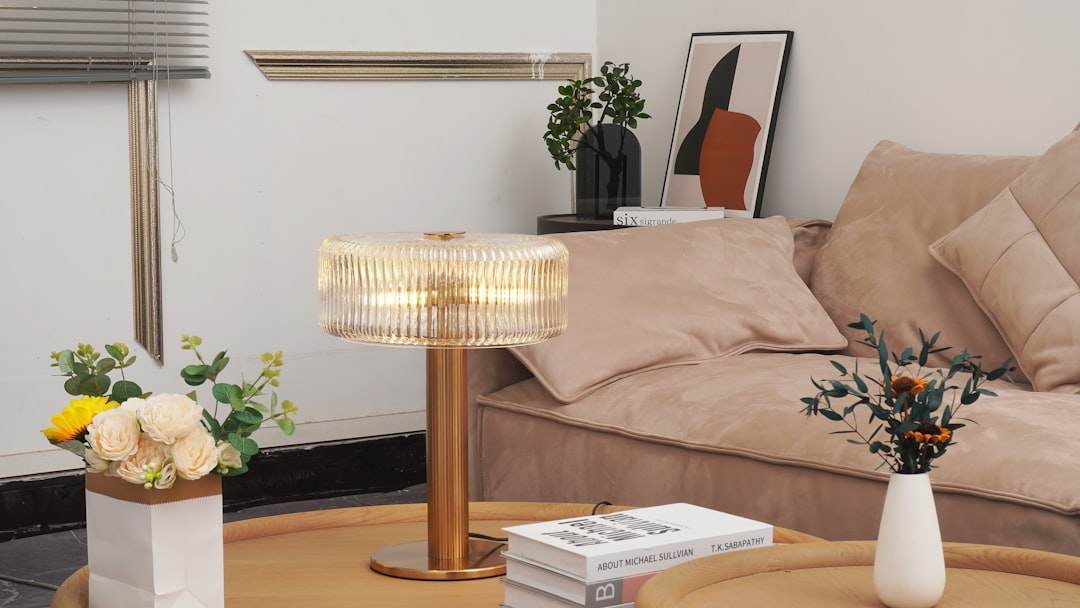
So, you’re looking to add a little something special to your reading nook, or maybe just want a better, more stylish light source for your daily reads. A Nordic glass table lamp, specifically one designed for reading, might be exactly what you’re after. These lamps aren’t just about illumination; they’re about bringing a sense of calm, clean design, and functional beauty into your home. Let’s break down what makes them a good choice and what to consider when picking one out.
When we talk about “Nordic” in design, we’re generally referring to styles originating from Denmark, Sweden, Norway, Finland, and Iceland. These aesthetics are characterized by simplicity, functionality, and a deep connection to nature. For lamps, this translates to clean lines, natural materials, and often a minimalist approach.
Defining the Nordic Aesthetic in Lighting
- Simplicity as a Virtue: Nordic design prioritizes function over excessive decoration. Think less ornate carvings and more smooth surfaces, pure geometric shapes, and an overall uncluttered look. This makes them incredibly versatile, fitting into various interior styles.
- Natural Materials: Wood (especially light-colored woods like birch or ash), metal (often brushed or matte finishes), and of course, glass, are common. The combination of these materials can create a warm and inviting feel.
- Color Palette: Neutrals are king – whites, grays, blacks, and muted earth tones. This creates a serene backdrop that allows the lamp’s form and the light it casts to stand out.
- Light as a Tool: Unlike some decorative lamps, Nordic designs often consider the practicalities of light. This means focusing on diffusion, directionality, and creating a comfortable ambiance.
The “Reading Light” Specialization
A lamp specifically designed as a reading light goes beyond just being a light source. It’s about creating the optimal environment for sustained reading without eye strain.
- Focused Illumination: True reading lamps often have adjustable heads or shades that allow you to direct the light precisely where you need it, preventing glare on the page.
- Color Rendering (CRI): High CRI values mean the light source accurately reproduces colors. For reading, this is important so that the text appears as intended and colors in any illustrations are true to life.
- Color Temperature: This refers to how “warm” or “cool” the light appears. For reading, a neutral to slightly warm white (around 2700K to 4000K) is generally preferred as it’s less harsh on the eyes than very cool, blue light.
- Brightness Control (Dimming): The ability to adjust the brightness is crucial. You might need a brighter light for detailed reading or a softer glow for a more relaxed read before bed.
The Role of Glass in Nordic Table Lamps
Glass is a fundamental element in Nordic design, especially when it comes to lighting. It’s not just about transparency; it’s about how light interacts with the material.
Types of Glass Used
- Frosted Glass: This is a popular choice for diffusers. It softens the light, spreading it evenly and reducing harshness. It creates a gentle, ambient glow, which is perfect for a reading lamp that shouldn’t be overly direct.
- Clear Glass: Some lamps use clear glass for the shade or as a decorative element around the bulb. This can add a touch of modern elegance and allows the design of the bulb itself to be part of the aesthetic.
- Opal Glass: Similar to frosted glass, opal glass is milky and opaque, providing excellent diffusion. It typically offers a more uniform and consistent light output.
- Textured Glass: More intricate designs might incorporate textured glass, adding subtle visual interest and breaking up the light in interesting ways, creating unique patterns.
How Glass Enhances the Light Experience
- Diffusion and Softening: As mentioned, glass, especially frosted or opal, is excellent at diffusing light. This means it takes the direct beam from the bulb and spreads it out, creating a softer, more widespread illumination. For reading, this prevents sharp shadows and reduces the intensity of the light source itself, making it less likely to cause eye strain.
- Material Quality: The quality of the glass matters. Well-made glass will be free of imperfections and have a smooth, pleasing texture. The way light passes through or is reflected by the glass contributes significantly to the lamp’s overall appeal.
- Aesthetic Appeal: Glass, with its inherent reflectivity and transparency, adds a touch of sophistication and lightness to a lamp design. It can make a fixture appear less heavy and more delicate, which aligns well with the minimalist ethos of Nordic design.
Design Elements to Look For in a Nordic Glass Reading Lamp
When you’re browsing for one of these lamps, keep an eye on specific details that contribute to both its Nordic charm and its reading functionality. It’s not just about the glass; it’s the whole package.
Lamp Base and Structure
- Material Variety: While glass is prominent, the base is equally important. Look for bases made of light wood (like beech, ash, or oak), brushed metal (brass, nickel, or matte black), or ceramic. The contrast between the glass shade and the base material can be striking.
- Stability: A reading lamp needs a stable base to prevent accidental tipping, especially if it’s placed on a bedside table or a busy desk. Heavier materials or wider bases tend to offer better stability.
- Minimalist Pedestal: Nordic bases are often simple, tubular, or a clean geometric shape. They don’t tend to be overly decorative but provide a solid foundation for the lamp.
- Adjustability: For reading lights, adjustability is key. Look for lamps with flexible arms, articulated heads, or tilting shades. This allows you to direct the light precisely onto your book or workspace.
Shade Design and Functionality
- Shape of the Shade: Think about simple geometric shapes like cylinders, cones, or globes. These are common in Nordic design and contribute to the clean aesthetic. The shape also influences how the light is distributed.
- Glass Shade Integration: How is the glass shade connected to the rest of the lamp? Is it securely held? Does the connection look seamless and well-executed?
- Internal Reflectors (if applicable): Some shades might have a reflective inner surface. This can help direct and focus the light downwards, which is beneficial for reading applications, ensuring that light isn’t wasted upwards or outwards.
- Bulb Coverage: Does the shade adequately conceal the bulb to prevent direct glare? A well-designed shade will diffuse the light effectively without creating a blinding point source.
Practical Considerations for Enhancing Your Reading Experience
Beyond the aesthetics, how a lamp actually performs is paramount for a good reading experience. These are the functional aspects that will make a real difference.
Light Quality and Comfort
- Color Temperature (Kelvin): As mentioned earlier, the Kelvin (K) rating is crucial.
- 2700K-3000K (Warm White): Mimics incandescent bulbs. Cozy, relaxing, and good for evening reading or creating a hygge atmosphere.
- 3500K-4000K (Neutral White): A balanced light that’s good for general reading and tasks. It’s bright enough to see detail but not so cool to feel sterile.
- Avoid: Very high Kelvin numbers (5000K+) are often too cool and blue for comfortable, extended reading.
- Brightness (Lumens): Lumens measure the total amount of light produced. For a reading lamp, aim for something that offers adjustable brightness or is in the range of 400-800 lumens. Too little light strains the eyes, and too much can be overwhelming and cause glare.
- Color Rendering Index (CRI): A CRI of 80+ is generally considered good, with 90+ being excellent. This ensures that colors, including the ink on paper, appear natural and true.
- Flicker-Free Technology: Some cheaper LED bulbs can flicker imperceptibly, which can lead to fatigue and headaches over time. Reputable brands often specify flicker-free performance.
Functionality and Usability
- Switch Placement: Where is the on/off switch located? Is it easy to reach and operate from a sitting or lying position? Common placements include on the cord, on the base, or directly on the shade.
- Cord Length and Type: Is the power cord long enough to reach your desired outlet without being a tripping hazard? Is it a discreet, fabric-covered cord that blends with the Nordic aesthetic, or a standard plastic one?
- Bulb Type Compatibility: Most modern Nordic lamps use LED bulbs for energy efficiency and longevity. Ensure the lamp is compatible with standard LED bulb bases (like E27 or E14) and that the maximum wattage is suitable. Some lamps come with integrated LEDs, which simplifies things but means you can’t change the bulb type or color temperature.
- Ease of Cleaning: Glass shades can attract dust and fingerprints. Consider how easy it will be to wipe down the shade to keep it looking its best.
Versatility: Beyond Just Your Reading Nook
While your Nordic glass table lamp is likely destined for a prime reading spot, its inherent design makes it far more adaptable than you might initially think.
Complementing Different Rooms and Functions
- Bedside Companion: This is the classic spot. A soft, diffused light is perfect for winding down with a book before sleep. The adjustable head allows you to focus light on your book without disturbing a partner.
- Living Room Accent: Placed on an side table next to your favorite armchair, it provides dedicated task lighting for your evening read while also adding a touch of sophisticated design to the room.
- Home Office Task Light: For those who read documents, articles, or manuscripts in their office, a focused reading lamp is invaluable. The clean lines can also complement a professional workspace.
- Entryway or Console Table: A smaller, more decorative Nordic glass lamp can serve as an attractive ambient light source to welcome guests, offering a subtle glow without being harsh.
- Creative Studio: Artists, crafters, or writers who need good, non-fatiguing light for detailed work will find these lamps incredibly useful. The ability to adjust the light precisely is a major advantage.
Integrating into Your Existing Decor
- Minimalist and Modern: The clean lines and neutral color palette of Nordic design make these lamps a natural fit for contemporary interiors. They won’t compete with other decorative elements but rather enhance them.
- Scandinavian and Japandi: If you lean towards Scandinavian or the increasingly popular Japandi (a fusion of Japanese and Scandinavian styles), a Nordic glass lamp is practically a must-have. It embodies the shared principles of simplicity, natural materials, and tranquility.
- Bohemian and Eclectic: Even in a more cluttered or eclectic space, a simple, well-designed Nordic lamp can act as a calming anchor. The clean design can provide a visual respite from more ornate or colorful elements.
- Transitional Styles: They can also bridge the gap between traditional and modern, adding a touch of fresh, unfussy design to a room that’s a blend of styles.
By considering these aspects, you can ensure your chosen Nordic glass table lamp for reading isn’t just a pretty object, but a truly functional and enjoyable addition to your home, enhancing both your space and your reading life.