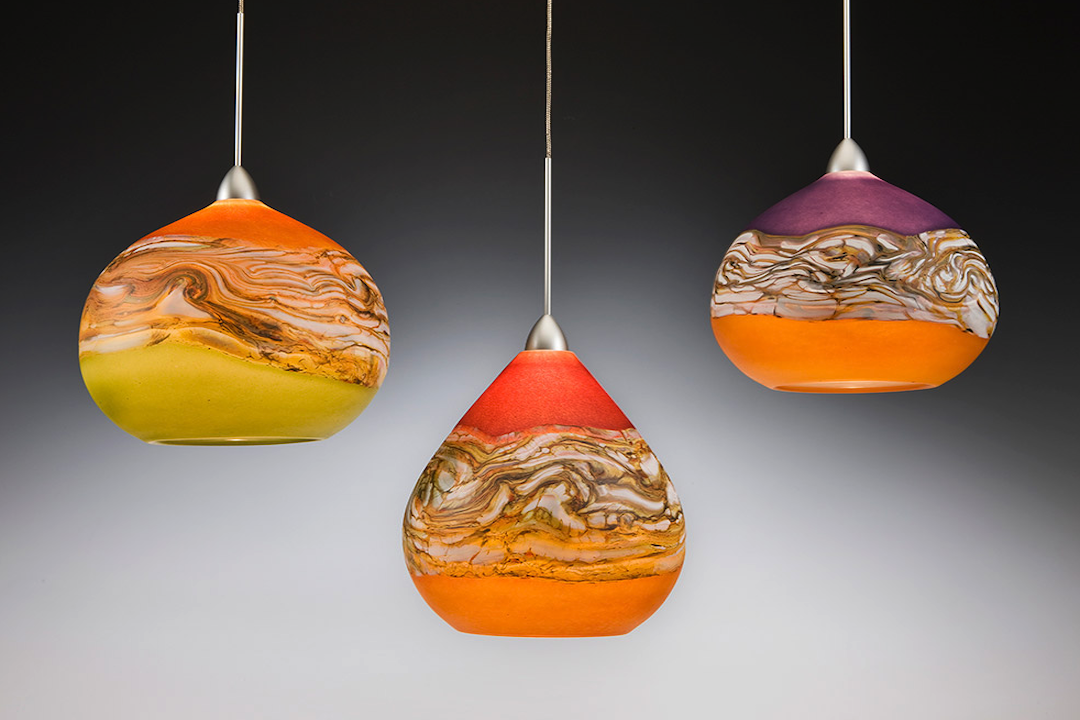
Creating unique fused glass art pendants involves a multi-stage process that combines artistic vision with technical precision. This guide explores the foundational principles and practical steps necessary for crafting distinctive wearable art from glass.
Fused glass, also known as warm glass or kiln-formed glass, is an art form where glass is heated in a kiln until it softens and joins. This process can range from simply slumping glass into a mold to intricate layering and manipulation. The resulting piece is a monolithic structure, with individual glass components coalescing into a new form.
Dichroic Glass and Its Properties
Dichroic glass is a specialized form of glass renowned for its optical properties. It is created by applying multiple ultra-thin layers of metal oxides to the surface of glass in a vacuum furnace. These metal oxide layers are precisely calibrated to fractions of a wavelength of light Casalucelighting, resulting in a material that exhibits two or more distinct colors depending on the viewing angle and the direction of light.
- Color Play: The most striking feature of dichroic glass is its vibrant and shifting coloration. As a pendant wearer moves, or as the ambient light changes, the reflected and transmitted colors of the dichroic glass can dramatically transform, offering a dynamic visual experience.
- Layering Potential: Its reflective qualities make dichroic glass an excellent component for layering within fused glass designs. Placing clear or colored glass over or under dichroic can create illusions of depth, intensify color, or introduce sparkling effects.
- Cutting Challenges: Due to its layered composition, cutting dichroic glass can be slightly more challenging than cutting standard art glass. The coatings can sometimes chip if not scored and broken cleanly, requiring a steady hand and sharp tools.
Compatibility of Glass
A critical aspect of fused glass art is understanding and adhering to glass compatibility. When different types of glass are heated and cooled together, they must shrink and expand at similar rates. This property is measured by the Coefficient of Thermal Expansion (CoE).
- CoE Matching: Glass manufacturers produce various lines of art glass with specific CoE values (e.g., 90 CoE, 96 CoE, 104 CoE). Mixing glasses with dissimilar CoE values will lead to stresses within the finished piece as it cools. These stresses manifest as cracks, often propagating days or weeks after firing, rendering the artwork unstable and prone to breakage.
- Supplier Information: Always consult the glass manufacturer’s specifications for CoE values. Reputable glass suppliers provide this information readily. It is an industry standard to ensure longevity and structural integrity in fused glass.
- Testing: When using glass from unknown sources, or if there is any doubt about compatibility, a small test firing is advisable. Fuse two small pieces of the potentially incompatible glasses together and observe for cracks or tension lines after cooling. This preemptive measure can save considerable time and material.
Design and Conception
The journey of creating a unique fused glass pendant begins with thoughtful design. This phase is where artistic intent translates into a blueprint for the physical object.
Sketching and Prototyping
Before committing to glass, it is beneficial to explore design concepts through sketching. This process allows for rapid iteration and refinement of ideas without expending valuable materials.
- Visualizing Form: Sketching helps to visualize the pendant’s overall shape, size, and the arrangement of its glass components. Consider the negative space around the design, as this will contribute to its aesthetic balance.
- Color Palette Exploration: Use colored pencils or digital tools to experiment with different color combinations. Consider how colors will interact when fused, especially with translucent and opaque glass. Remember that fused glass colors often deepen and intensify after firing.
- Layering Diagrams: For complex designs involving multiple layers, create diagrammatic sketches. Indicate the order of layers, specific glass types (e.g., clear, opaque, dichroic), and any inclusions. This detailed planning acts as a roadmap for assembly.
- Small-Scale Prototypes: For intricate designs, consider creating small, non-wearable prototypes. This allows for testing design elements, material interactions, and firing schedules on a smaller scale, mitigating potential risks associated with larger, more complex pieces. These miniature test pieces can serve as valuable educational tools.
Sizing and Wearability Considerations
A pendant is an item of adornment, and its design must account for its function as wearable art.
- Proportion: The size of the pendant should be proportionate to the likely wearer. An overly large pendant can be cumbersome, while an extremely small one might lose its visual impact. Consider common pendant sizes (e.g., 1 inch to 2 inches in length) as a starting point.
- Weight: Glass is dense. A large pendant can become surprisingly heavy, causing discomfort for the wearer. Strive for a balance between visual presence and comfortable wear. Think of the pendant as an extension of the wearer, not an encumbrance.
- Edging and Comfort: The edges of the finished pendant must be smooth and free of sharp points or irregularities. Ensure that the bail attachment point is robust and does not create an uncomfortable friction point against the skin or clothing.
- Form Factor: Consider the three-dimensional aspect. Will the pendant lie flat against the body, or will it have a more sculptural, projecting form? This impacts both comfort and the visual flow of the piece.
Glass Preparation and Assembly
This stage involves the physical manipulation of glass, translating the design concept into a layered composition ready for the kiln.
Cutting and Shaping Glass
Precision in cutting is paramount for successful fused glass work. Each piece acts as a puzzle component within the overall design.
- Scoring: Use a sharp oil-filled glass cutter to score a clean line on the glass surface. The score line is a controlled fracture initiation point, like the first step in a journey. Apply consistent, moderate pressure to achieve a smooth, uninterrupted score.
- Breaking: Utilize running pliers or glass-breaking tools to gently separate the glass along the score line. For intricate curves or small pieces, grozing pliers can be used to nibble away excess glass.
- Grinding (Optional): For perfectly straight edges or unusual shapes, a glass grinder with a diamond bit can be employed. Grinding also smooths sharp edges, reducing the risk of cuts during handling and providing a cleaner aesthetic for the finished product. Wear appropriate eye protection and respiratory masks when grinding.
- Cleaning: After cutting and grinding, thoroughly clean all glass pieces. Glass cleaner or isopropyl alcohol removes dust, oils, and grinding residue, ensuring a pristine surface for fusion and preventing imperfections in the final piece.
Layering and Inclusions
The layering process is where the artistic vision takes physical form. It is akin to building a miniature ecosystem within glass.
- Base Layer: Typically, a clear or opaque piece of glass forms the foundation of the pendant. This is where the canvas begins.
- Design Elements: Arrange additional pieces of colored glass, dichroic glass, frit (crushed glass), stringers (thin glass rods), or inclusions (e.g., copper foil, metal leaf, glitter suitable for high temperatures) onto the base.
- Frit Application: Frit can be applied dry or mixed with a binder (such as hairspray or a specialized frit glue) to hold it in place during transfer to the kiln. Different frit sizes (powder, fine, medium, coarse) create varied textural effects.
- Metal Inclusions: Copper foil, fine silver wire, or mica powders can be incorporated, but always ensure they are rated for kiln temperatures and, for metals, that they will not oxidize excessively or react detrimentally with the glass. Encapsulating metals between layers of glass can protect them from the kiln atmosphere and maintain their luster.
- Encapsulation: For designs requiring smooth surfaces or to protect inclusions, a top layer of clear glass is often added. This acts as a protective shield, encapsulating the design elements within the glass matrix, creating depth and a polished finish.
Firing and Annealing
The kiln is the crucible where separate pieces of glass transform into a unified work of art. Understanding the firing schedule is paramount.
Kiln Firing Schedules
A firing schedule dictates the rate of temperature increase, the holds (soaks) at specific temperatures, and the rate of cooling within the kiln. Each stage is crucial for successful fusion and structural integrity.
- Ramp Rates: The speed at which the kiln heats up is known as the ramp rate. For fused glass, gradual ramp rates are often preferred to prevent thermal shock, which can cause glass to crack, particularly with thicker pieces. Think of it as a gentle ascent up a mountain.
- Fuse Temperature (Peak Temperature): This is the highest temperature reached in the kiln, where the glass softens and flows together. The specific temperature depends on the glass CoE (e.g., 90 CoE glass typically fuses around 1450-1500°F or 788-816°C). The duration of the hold at this temperature (the soak) determines the degree of fusion, from tack-fused (texture retained) to full-fused (smooth, monolithic surface).
- Annealing Temperature: After the peak temperature, the glass must be cooled slowly through its annealing range. This critical phase removes internal stresses that build up during heating and cooling. For 90 CoE glass, the annealing temperature is typically around 950°F (510°C). A hold at this temperature, followed by a slow drop through the annealing range, allows the glass molecules to relax and align properly. Skipping or rushing annealing is a primary cause of latent cracking in fused glass. This stage is non-negotiable, the bedrock of a stable piece.
- Cooling Rates: Below the annealing range, the glass can cool more quickly, but rapid cooling directly from peak temperature is always detrimental. The entire cooling process after annealing should remain controlled until the glass reaches room temperature, to avoid thermal shock.
Kiln Preparation and Loading
Proper kiln preparation ensures safety and optimal firing results.
- Kiln Wash: Apply kiln wash to the kiln shelf. Kiln wash is a ceramic coating that prevents molten glass from sticking to the shelf. It acts as a release agent, making the piece easy to remove after firing. Apply several thin, even coats, ensuring each coat dries before the next.
- Placement: Carefully place the assembled glass pieces on the prepared kiln shelf, ensuring adequate spacing between them. Overcrowding can lead to uneven heating or pieces fusing together unintentionally.
- Damper and Vents: If the kiln has a damper or vents, ensure they are open during the initial heating phase to allow organic binders and moisture to escape, preventing chemical fuming inside the kiln. Close them before reaching the annealing zone to achieve accurate temperature control.
- Safety: Always wear appropriate heat-resistant gloves when handling hot kiln shelves or tools. Keep the kiln area clear of flammable materials and ensure proper ventilation.
Finishing and Presentation
The final touches transform a fired glass blank into a ready-to-wear pendant. This stage refines the physical form and prepares the piece for display.
Grinding and Coldworking
Even with careful firing, some pieces may require post-kiln refinement, often referred to as coldworking.
- Edge Smoothing: Fused glass can sometimes retain sharp edges or small “devitrification” bumps where the glass reacted with the kiln shelf. A grinder with a fine diamond bit can meticulously smooth these edges, ensuring the pendant is safe and comfortable to wear. This process is like polishing a raw gemstone to reveal its brilliance.
- Shaping Reductions: For pieces that require subtle reshaping or reduction in thickness, coldworking is essential. This can be achieved with various diamond abrasive tools, from handheld files to larger grinding wheels.
- Surface Polishing: While full-fused glass often has a naturally glossy surface, some artists choose to further polish the edges or even the face of a tack-fused piece to enhance its luster. This involves progressively finer grits of diamond compounds.
- Safety Precautions: Coldworking generates glass dust, which is hazardous if inhaled. Always use a generous amount of water to lubricate the grinder and suppress dust. Wear a respirator mask, safety glasses, and hearing protection, especially when using power tools.
Attaching Bails and Findings
Once the glass piece is complete and coldworked, the final step is to attach the mechanism through which it will be worn.
- Bail Selection: Choose a bail (the loop that connects the pendant to a chain) that complements the size and style of the pendant. Bails are available in various materials (sterling silver, gold-filled, base metals), designs (pinch bails, glue-on bails, drilled bails), and finishes.
- Glue-On Bails: For pendants without pre-drilled holes, glue-on bails are common. Use a strong, clear adhesive specifically designed for glass and metal bonds (e.g., E6000, UV resin adhesive). Apply a small amount of glue to the bail’s pad, press it firmly onto the back of the pendant, and allow it to cure completely, following manufacturer instructions. This bond is the bridge that carries the piece from art to jewelry.
- Drilled Bails: Pendants can be designed with a small hole drilled through them either before or after firing. A jump ring or a specific type of drilled bail can then be threaded through this hole. Drilling glass requires specialized diamond drill bits and a constant water lubricant to prevent chipping and overheating.
- Wire-Wrapped Bails: For a more artisanal approach, a loop can be formed from wire and then wrapped around the top edge of the pendant, providing a secure and decorative attachment point.
- Chain Selection: The choice of chain or cord also contributes to the pendant’s overall aesthetic. Consider the weight of the pendant and select a chain with sufficient strength. The chain’s style and metal should harmonize with the pendant and its bail.
By meticulously navigating these stages, from initial concept to final presentation, makers can consistently create unique fused glass art pendants that are both visually compelling and structurally sound. Each pendant, in its journey from raw glass to finished adornment, becomes a miniature narrative, reflecting the artist’s care and precision.