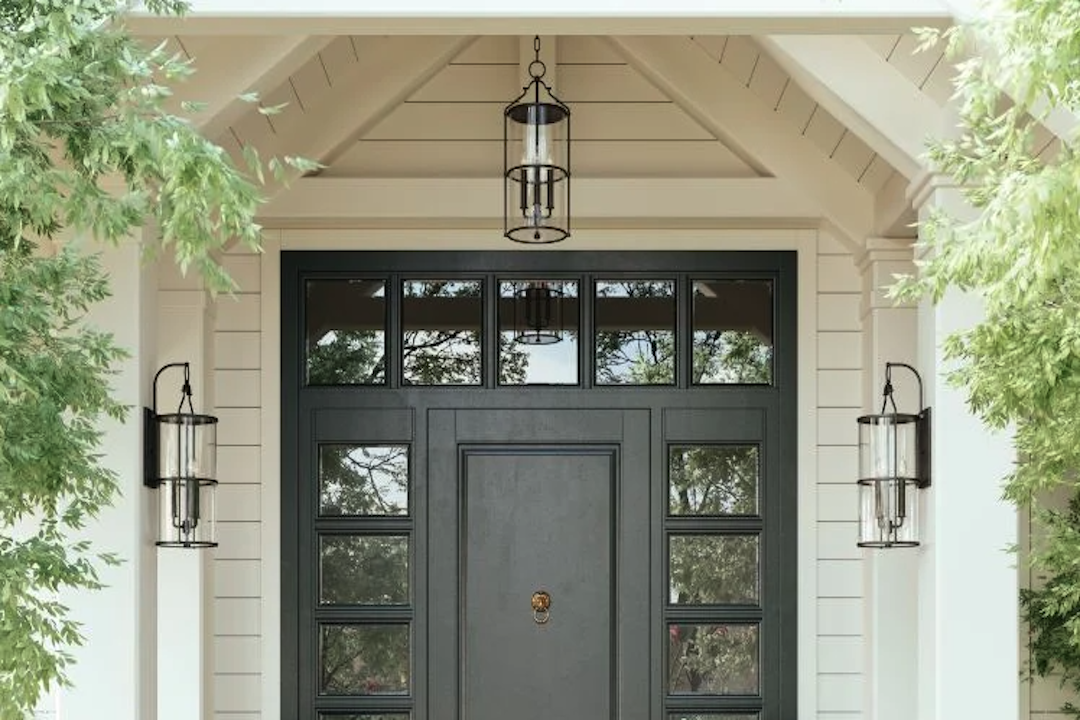
So, you’re looking to upgrade your porch lighting? Good call! Modern porch lighting fixtures are about more than just seeing where you’re going; they can totally transform your home’s curb appeal, improve safety, and even make your outdoor space more enjoyable. We’re talking better aesthetics, smarter functionality, and a welcoming vibe that starts right at your front door.
Think of your porch light Inzuzu as the first impression your home makes. A dull, outdated fixture can drag down the whole look, while a well-chosen modern one can instantly elevate it. It’s not just about looking good, though. Modern fixtures often incorporate better technology, meaning more efficient lighting and sometimes even smart features that make life a little easier.
Beyond Just Brightness
Older porch lights were often just… bright. Or not bright enough. Modern lighting goes beyond a simple on/off switch. We’re now looking at things like adjustable brightness, different color temperatures, and even motion sensing. It’s about creating an atmosphere and reacting to your needs, rather than just blasting light.
Style Statements and Curb Appeal
Your porch lighting is an extension of your home’s architectural style. If you have a sleek, contemporary home, an ornate, traditional fixture is going to look out of place. Modern fixtures come in a huge range of styles, from minimalist to industrial, allowing you to perfectly complement your home’s aesthetic and boost its curb appeal. It’s a relatively small change that can make a big visual impact.
Picking the Right Modern Porch Light Styles
When you dive into modern porch lighting, you’ll find a world of styles. Knowing a few key categories can help you narrow down your choices and find something that genuinely suits your home.
Sleek and Minimalist Designs
If your home leans towards clean lines and uncluttered spaces, minimalist fixtures are your best friend. These often feature simple geometric shapes, hidden light sources, and understated finishes like matte black, brushed nickel, or even concrete. They provide light without drawing too much attention to themselves, letting your home’s architecture shine.
- Geometric Shapes: Think squares, rectangles, circles, and cylinders. Very clean and precise.
- Integrated LEDs: Often, the light source is built right into the fixture, creating a seamless look without visible bulbs.
- Subtle Finishes: Matte black, brushed nickel, or white are common for an understated elegance.
Industrial Chic Options
For homes with a bit of an edgy, urban vibe, industrial-style porch lights can be fantastic. These fixtures often feature exposed bulbs, metal cages, distressed finishes, and often a raw, utilitarian aesthetic. They pair well with brick, wood, and concrete elements.
- Exposed Bulbs: Often Edison-style bulbs that offer a warm, inviting glow.
- Metal Finishes: Black iron, bronze, or galvanized steel are popular choices, sometimes with a distressed look.
- Cage or Grid Designs: Adding an architectural element while protecting the light source.
Contemporary Transitional Fixtures
If your home isn’t strictly modern or traditional, but somewhere in between, contemporary transitional fixtures offer a great balance. They often combine classic forms with modern materials or finishes, creating a look that’s both familiar and fresh. These are often a safe bet if you’re unsure which extreme to lean towards.
- Updated Classic Forms: Think lantern-style lights but with cleaner lines and updated finishes.
- Mixed Materials: Combining metal with clear or frosted glass, or even wood accents.
- Versatile Appeal: They can bridge the gap between different architectural styles.
Essential Features for Modern Functionality
Modern porch lights aren’t just about how they look; it’s also about what they can do. These features can enhance safety, convenience, and energy efficiency.
Dimmable Capabilities
Being able to adjust the brightness of your porch light is a game-changer. You might want bright light for security or when looking for your keys, but a softer glow when you’re just relaxing on the porch or enjoying the evening. Dimmable fixtures give you that flexibility.
- Mood Setting: Low light for ambiance, high light for practicality.
- Energy Savings: Dimming the light uses less electricity.
- Less Light Pollution: Reduce harsh glare when full brightness isn’t needed.
Integrated Motion Sensors
Motion sensors are fantastic for security and convenience. The light automatically turns on when someone approaches, illuminating your path and deterring potential intruders. They also save energy by only being on when needed.
- Enhanced Security: Startles intruders and alerts you to movement.
- Hands-Free Convenience: No fumbling for switches when your hands are full.
- Energy Efficiency: Light only comes on when motion is detected, saving power.
- Adjustable Sensitivity: Many models let you set how far away or how much movement triggers the light.
Dusk-to-Dawn Sensors
These smart sensors automatically turn your lights on when it gets dark and off when the sun comes up. It’s a simple feature that means you never have to remember to flip a switch, ensuring your porch is always well-lit during nighttime hours.
- Automatic Operation: Set it and forget it.
- Consistent Lighting: Your porch is always lit when it needs to be.
- Safety Assurance: No dark patches around your entrance after sundown.
Smart Home Integration
For those with smart home systems, connecting your porch lights can unlock a whole new level of control. You can control them from your phone, schedule them to turn on and off, or even integrate them with other smart devices like security cameras.
- Remote Control: Turn lights on or off from anywhere with your smartphone.
- Scheduling: Set routine times for lights to activate and deactivate.
- Voice Control: “Hey Google, turn on the porch light!”
- Advanced Automations: Link with door sensors, cameras, or even weather updates.
Energy Efficiency and Light Source Options
Modern lighting is almost synonymous with energy efficiency. Understanding your light source options is key to making an informed decision.
LED Dominance
LEDs are the reigning champions of modern lighting, and for good reason. They are incredibly energy-efficient, long-lasting, and offer a wide range of color temperatures.
- Longevity: LEDs can last tens of thousands of hours, meaning you won’t be changing bulbs frequently.
- Energy Savings: They use significantly less electricity than incandescent or halogen bulbs, saving you money on your utility bill.
- Variety of Color Temperatures: From warm white (cozy) to cool white (bright and modern), you can pick the ambiance you prefer.
- Durability: Less prone to breaking from impacts or temperature changes.
Integrated vs. Replaceable Bulbs
Some modern fixtures come with integrated LED modules, meaning the LED array is built directly into the fixture. Others use standard sockets for replaceable LED bulbs. Both have pros and cons.
- Integrated LEDs: Often allow for sleeker designs, as the light source doesn’t need to fit a standard bulb shape. If the LED fails, you generally replace the whole fixture or a specific module.
- Replaceable Bulbs: Offers more flexibility to change bulb type or color temperature, and if a bulb dies, you just swap it out.
Installation Considerations for Your Modern Porch Light
Before you buy, it’s worth thinking about the practicalities of installation. Getting it right ensures safety, longevity, and optimal performance.
Location and Placement
Where you place your porch light makes a huge difference in its effectiveness and aesthetic impact.
- Height: Generally, fixtures should be mounted slightly above eye level (around 66-72 inches from the ground) to avoid glare and spread light effectively.
- Symmetry: For wider doors or double doors, consider two fixtures, one on each side, for balanced lighting and visual appeal.
- Coverage: Think about illuminating not just the door, but also steps, pathways, and any architectural features you want to highlight.
Wiring and Electrical Needs
Most porch lights are hardwired, meaning they connect directly to your home’s electrical system. If you’re replacing an existing fixture, this is usually straightforward. If you’re adding a new light where there wasn’t one, you might need an electrician to run new wiring.
- Existing Wiring vs. New Run: Assess if you’re swapping a fixture or adding a totally new one.
- Switch Control: Ensure your existing switch works or plan for a new switch installation.
- Safety First: If you’re not comfortable with electrical work, always hire a licensed electrician.
Weather Resistance (IP Rating)
Your porch light is exposed to the elements, so it needs to be tough enough to handle rain, wind, and temperature changes. Look for an IP (Ingress Protection) rating, which indicates how well a fixture is protected against solids and liquids.
- IP44 (or higher): Generally suitable for sheltered outdoor areas like covered porches. It protects against splashes of water.
- IP65 (or higher): Ideal for fully exposed areas, providing protection against water jets and dust.
- Material Durability: Look for corrosion-resistant materials like aluminum, marine-grade stainless steel, or durable plastics.
Maintenance and Longevity Tips
Once your modern porch light is installed, a little bit of care will keep it looking great and functioning well for years to come.
Regular Cleaning
Even resistant materials can look dull with dirt and grime buildup.
- Gentle Wipe Down: Use a soft, damp cloth to wipe down the fixture and glass/diffuser regularly.
- Mild Soap Solution: For tougher grime, a very diluted solution of mild dish soap can work, but avoid harsh chemicals that might strip finishes.
- Avoid Abrasives: Don’t use abrasive cleaners or scrubbers that can scratch modern finishes.
Checking for Damage and Wear
Periodically inspect your fixtures for any signs of wear or damage caused by weather or small impacts.
- Cracked Seals: Check around the glass or diffuser for any cracks in the seals that could let water in.
- Corrosion: Even with resistant materials, check for early signs of rust or corrosion, especially in coastal areas.
- Loose Mounts: Ensure the fixture is still securely attached to the wall.
Bulb Replacement (If Applicable)
If your fixture uses replaceable bulbs, knowing when and how to swap them is important.
- LED Lifetime: While LEDs last a long time, they’re not eternal. Keep a spare if your fixture takes a specific type of LED bulb.
- Matching Specs: Always replace with a bulb that matches the wattage and type recommended by the manufacturer to avoid overheating or damage.
- Power Off: Always turn off the power to the fixture at the circuit breaker before attempting any bulb changes.
By carefully considering aesthetics, functionality, energy efficiency, and practical installation points, you can choose modern porch lighting fixtures that not only look fantastic but also enhance your home’s safety, comfort, and value for years to come. It’s an investment in your home that really pays off, right at the front door.