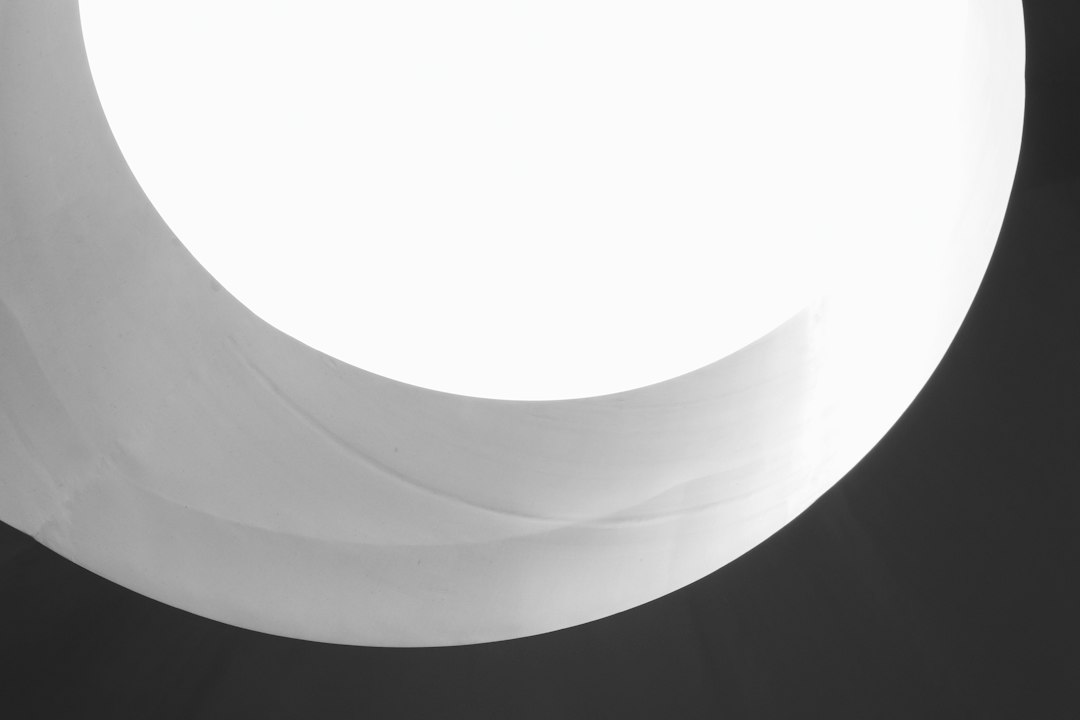
So, you’re looking at an opal glass flush lamp for your hallway and wondering if it’s the right move. The short answer is, it very well could be. These lamps offer a clean, understated aesthetic that often aligns perfectly with the practical needs of a hallway – think even light distribution, a low profile to avoid head-bumping, and a touch of timeless design that feels less like a statement piece and more like a well-integrated part of your home. The “Bauhaus” part just hints at a design philosophy that prioritizes function and simplicity, which is pretty much what you want in a hallway light.
The Allure of Opal Glass
Opal glass is one of those materials that just works for lighting. It’s not flashy, but it’s incredibly effective at what it needs to do: diffuse light.
What is Opal Glass, Anyway?
Essentially, opal glass is glass that has been treated to be opaque or semi-opaque. This is usually achieved by adding opacifying agents, like bone ash, feldspar, or synthetic materials, during the glass manufacturing process. The result is a milky, translucent appearance.
How it Diffuses Light
This diffusion is the key to its appeal. Instead of a direct, harsh glare from the bulb, opal glass softens and spreads the light evenly across the surface. This creates a much more comfortable and welcoming ambiance. Think of it like looking at a bare bulb versus looking at a lampshade – the opal glass acts as a built-in, minimalist shade.
Why it’s Great for Hallways
Hallways can be tricky spaces. They’re often narrow, can feel a bit dark, and you’re usually just passing through.
Avoiding Glare in Tight Spaces
A bare bulb in a hallway can be really jarring, especially when you’re walking past it. Opal glass smooths out the light, making the hallway feel less like a tunnel with spotlights and more like a continuous, lit pathway. This is particularly important if your hallway has a lot of turns or is a bottleneck area.
The “Flush” Factor
The “flush” part of “opal glass flush lamp” is crucial for hallways. These fixtures mount directly to the ceiling, with no hanging chain or significant protrusion.
Maximizing Headroom
This is a big one. Hallways often have lower ceilings than main rooms, or you might have taller people in the household. A flush mount ensures no one is going to accidentally bump their head. It keeps the profile sleek and unobtrusive.
A Clean, Uncluttered Look
In a space that’s often about transit, you don’t want a light fixture that screams for attention. Flush mount opal glass lamps blend in. They offer illumination without dominating the visual space, which can make a narrow hallway feel a little more open.
The Bauhaus Connection: Function Meets Form
The mention of “Bauhaus” isn’t just a marketing buzzword; it points to a design ethos that values practicality and clean lines.
Bauhaus Principles in Lighting
Bauhaus, the German art school that was influential in the early 20th century, championed the idea that form should follow function. Applied to lighting, this means the design of the lamp should serve its purpose efficiently and elegantly, without unnecessary ornamentation.
Simplicity and Minimalism
Bauhaus design is characterized by its simplicity. You won’t find fussy details or elaborate carvings on a fixture designed with Bauhaus principles in mind. It’s about pared-down forms and honest materials.
Durability and Practicality
The Bauhaus movement also emphasized creating objects that were built to last and serve a real purpose. This translates to lighting that is functional, easy to maintain, and fits seamlessly into daily life.
How Opal Glass Flush Lamps Fit In
Opal glass flush lamps embody these principles beautifully.
Uncluttered Design
The smooth, opaque surface of the opal glass and the no-nonsense flush mounting create a very clean aesthetic. There’s nothing to distract, just a steady source of light.
Everyday Utility
Their primary function – providing light – is executed flawlessly. They’re designed to illuminate a space without fuss, making them ideal for the utilitarian nature of a hallway.
Illuminating Your Hallway: Light Quality and Placement
It’s not just about the fixture itself, but how it performs in your hallway.
The Quality of Light
Opal glass excels at creating a pleasant, diffused light.
Warm vs. Cool Tones
The color temperature of the bulb you choose will significantly impact the feel of your hallway.
- Warm White (2700K-3000K): This offers a cozy, inviting glow. It’s often preferred for residential spaces and can make a hallway feel more welcoming.
- Cool White (3500K-4100K): This provides a brighter, more energizing light. It can be good for hallways where you need to clearly see details, but might feel a bit stark if too cool.
- Daylight (5000K+): This mimics natural daylight. It’s very bright but can feel sterile in a home environment.
Avoiding Shadows
The diffuse nature of opal glass helps to minimize harsh shadows, which is a big advantage in a hallway where you don’t want unexpected dark spots.
Strategic Placement
Where you put your flush mount lamp matters.
Single Fixture in a Short Hallway
For a shorter, straight hallway, a single flush mount fixture in the center can provide adequate and even illumination.
Multiple Fixtures for Longer or Wider Hallways
If your hallway is long or particularly wide, one light might not be enough. Consider placing two or even three fixtures spaced evenly along the length. This ensures consistent light levels and prevents dark patches.
Near Entrances and Corners
Placing a light near the entrance of the hallway, and perhaps a second one as you round a corner, can enhance safety and navigation.
Practical Considerations: Installation and Maintenance
Beyond the look, you’ll want to think about how easy these are to live with.
Installation Ease
- Standard Wiring: Most flush mount fixtures connect to standard ceiling electrical boxes. If you’re comfortable with basic DIY electrical work, installation can be straightforward.
- Professional Help: If you’re not confident with electrical wiring, it’s always best to hire an electrician. It’s a relatively quick job for them.
Cleaning and Upkeep
- Dust Accumulation: Like any ceiling fixture, they’ll gather dust over time.
- Simple Cleaning: Most opal glass shades can be wiped clean with a soft, damp cloth. For tougher grime, a mild soap and water solution works well. Always ensure the power is off before cleaning.
- Bulb Changes: The process for changing a bulb will vary depending on the specific fixture design. Many have a mechanism that allows the shade to be easily detached.
Versatility Beyond the Hallway
While the “Bauhaus Hallway Glow” is a specific application, the qualities of opal glass flush lamps make them suitable for other areas too.
Kitchens and Bathrooms
In kitchens, they provide bright, functional light without glare. In bathrooms, the diffused light is gentle and pleasant for daily routines.
Bedrooms and Living Areas
For a minimalist aesthetic, or in rooms with lower ceilings, flush mount opal glass can offer ambient lighting without being overpowering. They can serve as a primary light source or complement other lighting.
Craft Rooms and Workshops
The even, shadow-minimizing light is excellent for tasks requiring precision.
Making the Choice
Ultimately, an opal glass flush lamp for your hallway is a sensible choice if you’re after a blend of practical illumination and understated style. It’s a fixture that prioritizes function, offers a soft and welcoming light, and stays out of the way. The Bauhaus influence ensures a timeless design that won’t go out of fashion, making it a reliable and attractive option for bringing a warm, functional glow to your home’s thoroughfares.