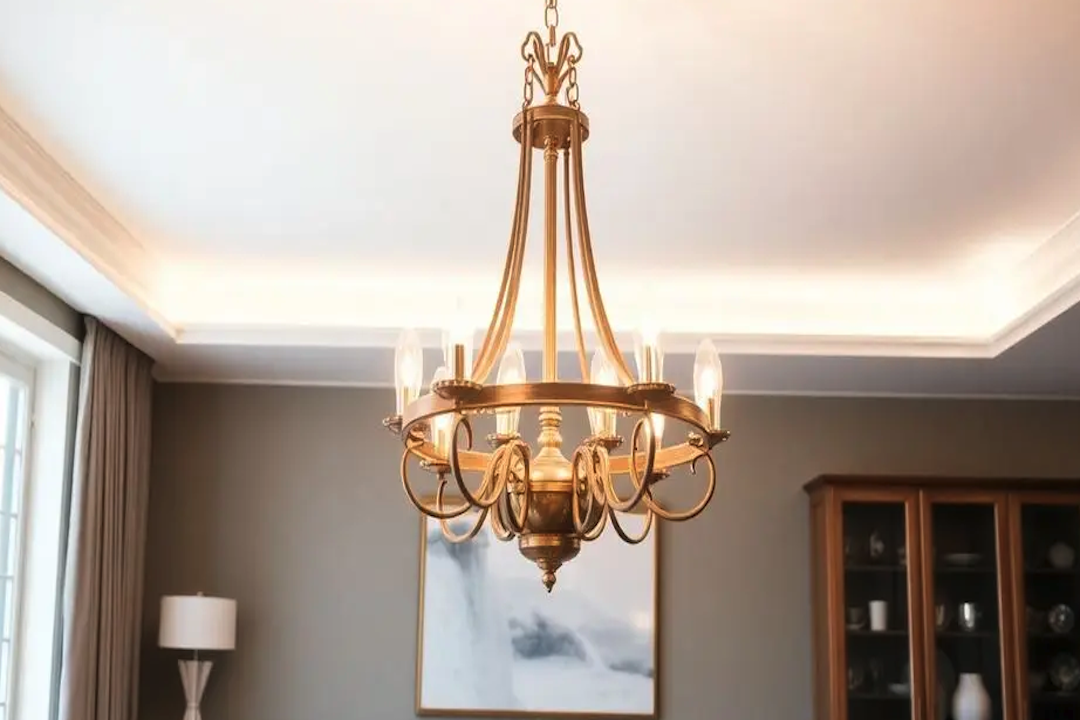
Thinking about a ceiling chandelier that feels both sophisticated and easy to live with, suitable for pretty much any room in your house? You’re likely looking for something in the elegant transitional style. This isn’t about choosing between ultra-modern and strictly traditional; it’s about finding that sweet spot where classic lines meet contemporary sensibilities, creating a piece that looks at home whether your decor leans a bit vintage or decidedly current.
The Allure of Transitional Chandelier Style
Transitional style, in essence, is about balance. It borrows from the best of both worlds – the detailed craftsmanship and material richness of traditional design, blended with the cleaner lines and more understated feel of modern aesthetics. When this philosophy is applied to ceiling chandeliers Yigolighting , you get fixtures that are undeniably impressive without being ostentatious. They offer a sense of enduring quality and refined taste that transcends fleeting trends.
What Defines “Transitional” in Lighting?
Forget stark minimalism or ornate grandeur. Transitional lighting strikes a middle ground.
Material Palette
You’ll often see a thoughtful mix of materials. Think brushed nickel or oil-rubbed bronze hardware paired with elements like clear or subtly frosted glass shades, perhaps accented with faux wood or ceramic details. Sometimes, natural materials like linen or even leather can make an appearance in a refined way. The key is that the materials feel grounded and sophisticated, not overly shiny or aggressively textured.
Form and Silhouette
The shapes tend to be approachable. Instead of overly complex scrolls or sharp geometric angles, you’ll find graceful curves, well-proportioned arms, and generally symmetrical designs. These chandeliers are often multi-tiered, but not to the point of overwhelming the space. The silhouette is designed to be visually pleasing without demanding all the attention.
Color Coordination
The color schemes are generally muted and sophisticated. You won’t usually find bright splashes of color. Instead, think of earthy tones, warm metallics, and clean neutrals. This versatility is a hallmark of the style, allowing it to integrate seamlessly with a wide range of wall colors and furniture finishes.
Practical Considerations for Choosing Your Chandelier
Beyond aesthetics, a chandelier needs to function well within your space. Here’s what to keep in mind practically.
Sizing Matters: Finding the Right Scale
This is probably the most crucial practical aspect. An out-of-scale chandelier can make a room feel unbalanced.
Measuring Your Space
Before you even start browsing, grab a tape measure. You’ll want to know the length and width of the room in feet. Add these two numbers together. The resulting sum, converted to inches, generally gives you the ideal diameter for your chandelier. For example, a 10ft x 12ft room (22ft total) would suggest a chandelier around 22 inches in diameter. This is a good starting point, but consider the ceiling height too.
Ceiling Height Adjustments
Higher ceilings can accommodate larger or more elaborate fixtures. Lower ceilings benefit from something more streamlined or a chandelier that hangs closer to the ceiling. For standard 8-foot ceilings, look for chandeliers with a lower profile. If you have vaulted or 10-foot+ ceilings, you have more room to play with drop length and visual presence.
Lighting Needs: Ambiance and Functionality
A chandelier isn’t just decorative; it provides light. Think about how you use the room.
General Illumination
For a main living area or a dining room, you’ll want a chandelier that can provide ample general illumination. This means considering the number and wattage of the bulbs. Many transitional chandeliers are designed to diffuse light softly, creating a warm glow rather than harsh brightness.
Task Lighting and Dimmer Compatibility
In a dining room, you might want the chandelier to be dimmable to create different moods – brighter for meals, dimmer for conversation. If the chandelier is in a study or an area where reading or close work happens, ensure its light output is sufficient, or consider complementary task lighting. Check if the chandelier is designed to work with LED dimmer switches, as this is a common and energy-efficient choice.
Material Breakdown: What to Expect in Transitional Designs
The materials used in transitional chandeliers contribute significantly to their elegant yet approachable character.
Metal Finishes: The Foundation of Style
The metalwork forms the structural backbone and often dictates the overall feel of a fixture.
Warm Metallics
Think about finishes like oiled bronze, brushed nickel, warm brass, or even antique pewter. These are a far cry from the ultra-polished chrome of some modern fixtures or the ornate gold of very traditional ones. They offer a subtle sheen that catches the light without being blinding and pair well with a variety of decor styles.
Matte and Brushed Textures
Matte finishes, where the metal isn’t highly reflective, are particularly common as they soften the overall look. Brushed textures add a subtle variation in light reflection, making the metal feel richer and more nuanced. This plays into the idea of not being overly flashy.
Glass and Shade Choices: Diffusing the Light
The part of the chandelier that actually emits the light is crucial for setting the mood.
Frosted and Opal Glass
Frosted or opal glass shades are a staple. They’re incredibly effective at diffusing the light from the bulbs, preventing glare and creating a soft, inviting ambiance. They offer a gentle glow that’s comfortable for the eyes.
Clear Glass with Subtle Details
Sometimes you’ll find clear glass, but it might be subtly seeded (containing small imperfections that catch light), ribbed, or have a slight tint. This adds visual interest without making the light source itself a focal point. Clear glass can also highlight decorative bulbs more effectively.
Fabric Shades
Less common but certainly found in transitional designs are neutral-colored fabric shades on chandeliers. These can add a softness and a more diffused, ambient light quality, akin to a table lamp. They are usually in linen or a similar natural-looking fabric.
Versatility Unveiled: Where a Transitional Chandelier Shines
The beauty of transitional style is its inherent adaptability. It doesn’t lock you into one specific decor direction.
In the Dining Room: The Centerpiece of Gatherings
The dining room is a classic setting for a statement chandelier, and transitional styles excel here.
Harmonizing with Table and Chairs
A transitional chandelier can bridge the gap between a rustic farmhouse table and more contemporary upholstered chairs, or complement a sleek modern table with more traditional elements. It acts as a unifying element.
Setting the Mood for Meals
The soft, diffused light often provided by transitional fixtures is perfect for dining. It enhances the food’s appearance and creates a relaxed, convivial atmosphere for family meals and entertaining guests.
In the Living Room: Adding Elegance and Warmth
A living room chandelier can elevate the entire space, bringing a touch of sophistication.
Balancing Existing Decor
Whether your living room has plush sofas and detailed moldings or cleaner-lined furniture, a transitional chandelier can blend in effortlessly. It adds a decorative layer without clashing.
Creating a Focal Point
A well-chosen transitional chandelier can become a stunning focal point, drawing the eye upwards and adding a layer of visual interest to the room. It can anchor seating arrangements and enhance the overall aesthetic.
Beyond the Main Spaces: Unexpected Applications
Don’t limit your thinking to just dining and living rooms.
Entryways and Hallways: A Grand Welcome
A slightly smaller transitional chandelier can make a marvelous first impression in an entryway or a long hallway. It sets the tone for the rest of the home.
Bedrooms: A Touch of Sophistication
In a bedroom, a transitional chandelier can add a touch of luxury and create a calming, inviting atmosphere after a long day. Opt for one with a dimmer for ultimate control.
Integrating a Transitional Chandelier into Your Existing Decor
The “how-to” of making it work is less about strict rules and more about intuitive pairing.
Working with Your Color Scheme
Transitional chandeliers, with their neutral palettes and muted finishes, are designed to integrate.
Complementing Wall Colors
Whether your walls are a soothing gray, a warm beige, or even a deep jewel tone, the metal finishes and shade materials of transitional chandeliers are generally designed to harmonize. They won’t typically “fight” with your wall color.
Echoing Furniture Undertones
Look at the undertones in your furniture. If your sofa has warm undertones (more yellow or red), a warm brass or oil-rubbed bronze finish might be a good choice. If it leans cooler (more blue or gray), brushed nickel or pewter could be a better fit.
Blending with Other Design Elements
It’s about creating a cohesive look, not a matchy-matchy one.
Mixing Metals (Strategically)
While it’s often suggested to stick with one metal finish in a room for cohesion, transitional style lends itself to a bit more flexibility. If you have brushed nickel hardware on your cabinets, a transitional chandelier with brushed nickel accents can tie in nicely. Don’t be afraid to mix within a similar tone; for example, brushed nickel and oil-rubbed bronze can often coexist harmoniously.
Layering Textures and Patterns
A transitional chandelier can provide a resting point amidst various textures and patterns in a room. Its relatively clean lines prevent visual clutter, allowing other decorative elements to shine. It can anchor a space filled with varied textiles or patterned rugs.
Ensuring Longevity: Care and Maintenance
To keep your elegant addition looking its best for years to come, a little effort goes a long way.
Routine Cleaning: Dusting and Polishing
Regular dusting is key, especially for fixtures with intricate details or glass components.
Gentle Dusting Techniques
Use a soft, dry microfiber cloth to gently dust all surfaces, including arms, finials, and shades. For more stubborn dust, a slightly damp (not wet) cloth can be used, followed immediately by a dry cloth to prevent water spots.
Polishing Metal Finishes
For metal finishes, follow the manufacturer’s recommendations. Generally, a soft cloth with a specific metal polish (for brass, nickel, etc.) can be used sparingly. Avoid abrasive cleaners, as they can damage the finish.
Bulb Replacement and Electrical Safety
Ensuring your chandelier functions safely and efficiently is paramount.
Choosing the Right Bulbs
When replacing bulbs, pay attention to the wattage and type (incandescent, LED, halogen). Transitional chandeliers often look best with warmer-toned bulbs that mimic incandescent light, especially if you’re aiming for a cozy atmosphere. LEDs are a great energy-efficient option.
Professional Check-ups
While not often required for chandeliers unless there’s an issue, it’s wise to have any electrical fixture checked by a qualified electrician every few years, especially if it’s an older fixture or if you notice any flickering or unusual behavior. Always ensure the power is turned off at the breaker before attempting any bulb changes or cleaning that might involve reaching into the fixture’s workings.
By understanding the core principles of transitional design and considering these practical aspects, you can confidently select and integrate an elegant transitional ceiling chandelier that will be a cherished and timeless addition to your home.