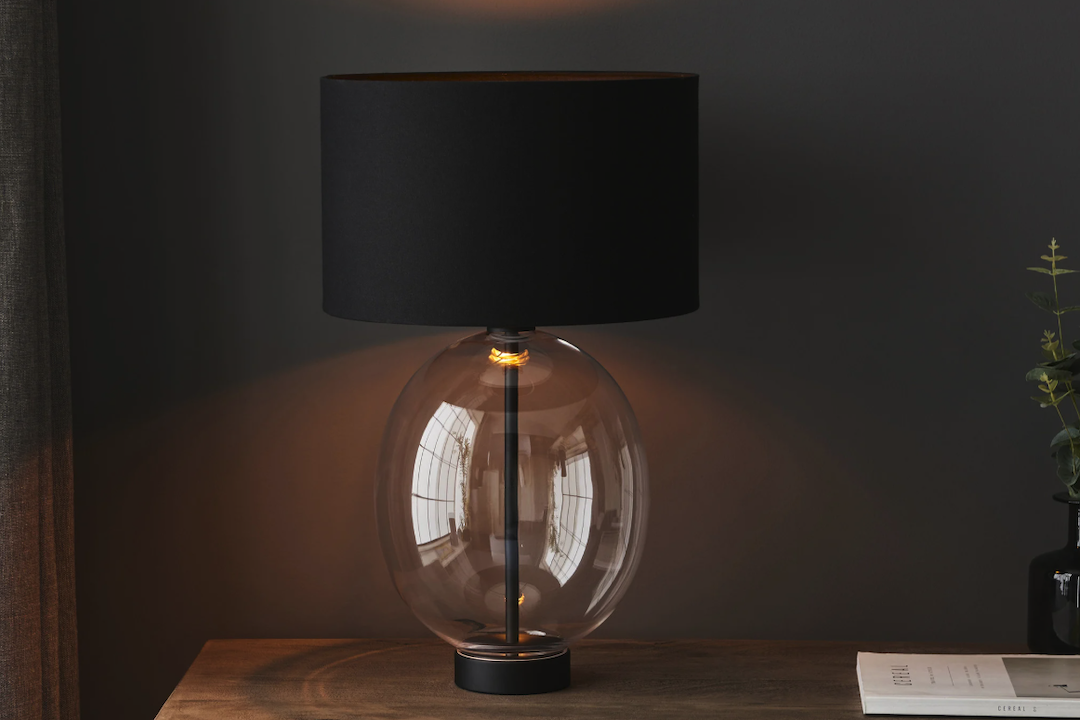
So, you’re looking to add a touch of elegance to your hotel bedside decor with a glass table lamp? That’s a smart move. A well-chosen glass lamp can transform a sterile hotel room into a cozy, sophisticated sanctuary for your guests. It’s not just about light; it’s about setting a mood, adding a functional piece of art, and ultimately, enhancing the guest experience. Think of it as a small detail that makes a big difference. Let’s break down what makes a glass lamp a terrific choice and how to pick one that truly shines.
When it comes to outfitting hotel rooms, durability, aesthetics, and practicality are key. Glass table lamps Sktong tick a lot of these boxes, offering a blend of style and substance. They possess a unique ability to interact with light, creating a soft, diffused glow that’s perfect for reading or winding down. Plus, the material itself brings a sense of class and refinement that’s hard to replicate with other substances, especially for bedside settings where a touch of luxury is often desired.
The Aesthetic Appeal of Glass
Glass, in its various forms, offers a visual lightness and a sophisticated sheen. It can be clear, colored, frosted, or textured, allowing for a wide range of design possibilities. This versatility means a glass lamp can complement a multitude of interior design styles, from contemporary minimalist to classic traditional. The way light plays through the glass is a spectacle in itself, casting subtle patterns and reflections that add depth and dimension to the room.
Clear Glass: Transparency and Light Diffusion
Clear glass offers a clean, modern look. It allows light to pass through unobstructed, making it a great choice for maximizing brightness. However, for bedside lamps, this can sometimes be too stark. Many clear glass bases are designed to hold shades that effectively diffuse the light, preventing glare and creating a more ambient atmosphere. The transparency also lends a sense of spaciousness, which can be beneficial in smaller hotel rooms.
Frosted Glass: Softening the Glow
Frosted glass is an excellent option for bedside lamps because it inherently softens light. The frosted finish diffuses the harshness of the bulb, creating a gentle, warm illumination that’s ideal for evening use. It reduces glare and creates a more comforting and relaxing environment. This type of glass also tends to hide dust and smudges a little better than completely clear glass, which can be a practical advantage in a hospitality setting.
Colored Glass: Adding a Pop of Personality
Incorporating colored glass into your bedside lamp design can be a fantastic way to inject personality and color into a hotel room without overwhelming the space. Think subtle hues like soft blues, muted greens, or warm ambers. These colors can evoke specific moods and complement the hotel’s overall color palette. The color of the glass also influences the color of the light cast, contributing to the room’s ambiance.
Textured Glass: Visual Interest and Tactile Qualities
Textured glass, whether it’s ribbed, bubbled, or etched, adds a layer of visual and tactile interest. These textures can catch and reflect light in unique ways, creating dynamic shadows and highlights. Beyond aesthetics, the texture can also provide a more engaging sensory experience for guests. It adds a subtle, sophisticated detail that elevates the lamp from a mere functional object to a decorative piece.
Durability and Maintenance Considerations
While glass might seem delicate, modern manufacturing techniques have made glass table lamps surprisingly robust. For hotels, choosing lamps made from high-quality, tempered glass is a wise investment. They are designed to withstand the wear and tear of regular use. Maintenance is generally straightforward, usually involving occasional dusting and cleaning with a glass cleaner.
Strength of Tempered Glass
Tempered glass is significantly stronger than standard glass and is designed to shatter into small, blunt pieces if broken, rather than sharp shards. This safety feature is crucial in a hospitality environment. Lamps with tempered glass bases offer peace of mind, reducing the risk of injury to guests and staff.
Effortless Cleaning Routines
Keeping bedside lamps clean is essential for guest satisfaction. Glass lamps are relatively easy to maintain. A simple wipe down with a soft cloth and an appropriate glass cleaner will keep them looking pristine. Avoiding abrasive cleaning materials is key to preserving the finish and preventing scratches. Many lamp designs also feature smooth, uninterrupted glass bases that are simple to wipe down efficiently.
Functionality and Practicality for Guests
A bedside lamp needs to be more than just pretty; it needs to be functional. Guests use bedside lamps for a variety of purposes, from reading to navigating the room in the dark. The design should facilitate ease of use and provide adequate lighting for these needs.
Light Output and Placement
The primary function of a bedside lamp is to provide light. The bulb wattage and type are important considerations. For reading, a brighter, focused light is desirable, while for ambient ambiance, a softer, more diffused light is preferred. The height and reach of the lamp are also critical. It should be positioned so that guests can easily reach the switch and direct light where it’s needed without straining.
Ease of Use: Switches and Controls
A guest shouldn’t have to fumble for a switch in the dark. Lamps with easily accessible switches – whether a pull chain, a rotary knob on the base, or a rocker switch on the cord – are highly appreciated. Some modern lamps even offer touch controls or dimmable features, which can add a touch of luxury and convenience, though simplicity often wins in high-traffic environments.
Key Design Elements to Look For
When selecting an elegant glass table lamp for hotel bedside decor, several design elements come into play. It’s about how the lamp is constructed, the materials used for the shade, and the overall silhouette. These details contribute to the lamp’s ability to blend seamlessly with the room’s aesthetic and fulfill its purpose effectively.
The Lamp Base: Material and Form
The base is the foundation of the lamp and often where the glass element is most prominent. Its shape, size, and how it interacts with the rest of the lamp are crucial for both stability and visual appeal.
Classic Pedestal and Column Designs
Many elegant glass lamps feature classic silhouettes like pedestal bases or slender columns. These forms offer a timeless appeal and tend to be visually balanced. A well-proportioned pedestal base provides stability, while a graceful column design can add height without appearing bulky. The glass in these designs can be solid, hollow, or even feature intricate patterns within its form.
Modern Sculptural Forms
Beyond traditional shapes, you’ll find glass lamps with more contemporary, sculptural bases. These might be geometric, organic, or abstract. Such designs can serve as a focal point in the room, adding an artistic touch. The interplay of light and shadow on these unique forms can be particularly captivating.
Integrated Metal Accents
To enhance elegance and provide contrast, many glass lamps incorporate metal accents. These can be found in the lamp’s hardware, the finial, the neck, or even as part of the base itself. Common metals include brushed nickel, polished chrome, brass, or antique bronze. These metallic details can elevate the sophistication of the design and tie into other existing hardware in the room.
The Lamp Shade: Complementing the Glass
The shade is just as important as the base when it comes to a table lamp. It directs the light and significantly influences the lamp’s overall aesthetic. The material, color, and shape of the shade should harmonize with the glass base.
Fabric Shades: Softening and Diffusing Light
Fabric shades are a common and effective choice. Materials like linen, cotton, or silk offer a soft diffusion of light, creating a warm and inviting glow. The texture of the fabric can add another layer of visual interest.
Linen: Natural Texture and Subtle Opacity
Linen shades are a popular choice for their natural texture and subtle opacity. They diffuse light beautifully, creating a soft, warm ambiance. Linen also has a timeless appeal that complements various design styles, from modern to traditional. Its slight irregularities add character.
Silk: Luxurious Sheen and Refined Glow
For a more luxurious feel, silk shades are an excellent option. Silk offers a refined sheen that can add a touch of glamour. It diffuses light softly, creating a sophisticated and elegant glow. The way silk drapes and catches the light can be particularly beautiful.
Drum Shades: Contemporary and Versatile
Drum shades are a contemporary and highly versatile option. Their simple cylindrical shape works well with a wide variety of lamp bases. They provide an even distribution of light, both upwards and downwards.
Empire and Bell Shapes: Traditional Elegance
Empire and bell-shaped shades offer a more traditional and classic aesthetic. These shapes are often wider at the bottom, directing more light downwards, which can be beneficial for reading. They lend a sense of formality and sophistication.
Color Choices for Shades
The color of the shade plays a crucial role in the lamp’s overall impact. Off-white, cream, or beige shades are classic choices that provide a neutral and warm light. For a bolder statement, consider charcoal grey or even a subtle muted color that complements the room’s decor.
The Bulb and Light Quality
The type of bulb used can dramatically alter the quality of light and the lamp’s effectiveness. For hotel bedside lamps, choosing the right bulb for the glass base and shade combination is essential.
LED Bulbs: Energy Efficiency and Longevity
LED bulbs are the standard for modern lighting. They are incredibly energy-efficient, have a long lifespan, and come in a wide range of color temperatures. This means fewer replacements and lower energy bills for the hotel.
Warm White vs. Cool White
For bedside lamps, “warm white” (around 2700K-3000K) is generally preferred. It mimics the cozy glow of incandescent bulbs and is more conducive to relaxation. “Cool white” can be too stark and energizing for a bedroom setting.
Dimmable Options for Ambiance Control
If the lamp and its wiring support it, dimmable bulbs are a fantastic addition. They allow guests to adjust the light intensity based on their needs, whether they’re reading a book or just want a soft, ambient glow. This adds a significant level of guest comfort and perceived luxury.
Integrating Glass Lamps into Hotel Bedside Decor Schemes
Successfully integrating glass table lamps into hotel bedside decor involves considering a few practical aspects beyond just aesthetics. It’s about creating a cohesive look and ensuring the lamp functions well within the space.
Scale and Proportion: Finding the Right Fit
The size of the lamp needs to be in proportion to the bedside table and the overall room. A lamp that is too large can overwhelm the table and make the space feel cluttered. Conversely, a lamp that’s too small might look lost and fail to provide adequate light.
Considering Bedside Table Dimensions
Measure the width and depth of your bedside tables. This will give you a clear idea of the maximum footprint a lamp can have. You’ll want enough space around the lamp for guests to place personal items like phones, books, or glasses.
Balancing with Bed and Headboard Height
The height of the lamp is as important as its width. When the guest is seated in bed, the top of the shade should typically be around eye level. This ensures the light is directed downwards without shining directly into their eyes. It also helps the lamp complement the visual line of the headboard.
Color Palette Coordination
The color of the glass, and especially the shade, should either complement or intentionally contrast with the room’s existing color scheme.
Harmonizing with Wall Colors and Furnishings
If the room has neutral walls, a glass lamp with a colored shade can add a welcome touch of visual interest. Conversely, if the room features bold colors, a more subdued or clear glass lamp with a neutral shade might be a better choice to avoid visual noise.
Using Metallic Accents as Connectors
Pay attention to the metallic finishes on the lamp – whether it’s the base accents, the hardware, or the finial. These should ideally coordinate with other metallic elements in the room, such as light fixtures, drawer pulls, or decorative accessories. This creates a more polished and cohesive look.
Functionality and Accessibility for Guests
Beyond the visual aspects, the lamp’s practical use for guests is paramount.
Easy-to-Reach Switches
As mentioned earlier, the location and type of the lamp’s switch are critical. A guest should be able to find and operate it easily, even in low light. Ensure the switch isn’t hidden behind the headboard or awkwardly placed.
Cord Management and Safety
Visible, tangled cords are an aesthetic detractor and a potential trip hazard. Consider how the lamp cord will be managed. Many hotels use cord clips or channels to keep cords neatly tucked away behind furniture. Ensure the cord is an appropriate length for the location of the power outlet.
Sourcing and Selecting Quality Glass Lamps
When looking to purchase glass table lamps for a hotel, it’s important to source from reputable suppliers who understand the demands of the hospitality industry. This means focusing on quality, durability, and value.
Working with Hospitality Furniture Suppliers
Specialized hospitality furniture suppliers are your best bet. They often carry lines specifically designed for hotel use, meaning they are built to be more robust and meet safety standards. They can also offer bulk discounts and expert advice.
Durability Standards for Hospitality
These suppliers are aware of the wear and tear that hotel furnishings endure. They will often highlight the durability features of their products, such as reinforced bases, quality glass, and robust finishes.
Customization Options
Some suppliers may offer customization options for shades, glass finishes, or even the overall lamp design, allowing you to create a unique look that perfectly matches your hotel’s brand and interior design.
Examining Material Quality and Construction
Even when buying from a reputable source, it’s worth understanding what constitutes good quality.
Thickness and Clarity of the Glass
For glass bases, look for lamps where the glass feels substantial and has a good clarity or depth of color depending on its type. Avoid lamps that feel flimsy or have visible imperfections in the glass.
Sturdy Metal Components
The metal parts of the lamp – the neck, the fitting for the shade, and any decorative accents – should feel solid and well-finished. Loose or wobbly components are a sign of lower quality.
Considering Budget and Bulk Orders
Hotel projects often involve purchasing multiple units. Understanding budget constraints and the economics of bulk orders is crucial.
Value for Money Over Cheapest Option
While cost is a factor, it’s important to consider the long-term value. A slightly more expensive, better-quality lamp might prove more cost-effective over time due to its durability and lower maintenance needs.
Negotiating Bulk Discounts
When purchasing a significant number of lamps, don’t hesitate to inquire about bulk discounts. Suppliers are often willing to offer better pricing for larger orders.
Maintenance and Longevity Tips for Glass Lamps
To ensure your elegant glass table lamps maintain their appeal and last as long as possible, a consistent and appropriate maintenance routine is key. This not only preserves their appearance but also contributes to a positive guest experience.
Regular Cleaning Procedures
Consistency in cleaning will prevent the build-up of dust and grime, which can dull the appearance of the glass and shades.
Dusting Techniques
A soft, lint-free cloth is your best friend for dusting. For glass, a microfiber cloth works wonders. Dust the glass base and the shade regularly, at least weekly, or more often if necessary. This simple step makes a big difference.
Glass Cleaning Best Practices
When cleaning the glass base, use a glass cleaner specifically designed for that purpose. Spray the cleaner onto the cloth, not directly onto the lamp, to avoid getting liquid into electrical components. Wipe down gently. For stubborn smudges, a second pass might be needed.
Shade Cleaning Considerations
The cleaning method for shades depends heavily on the material. Fabric shades (like linen or silk) should generally not be spot-cleaned with harsh chemicals. Light vacuuming with an upholstery attachment or gentle dusting is often the safest approach. If a stain is problematic, consult the manufacturer’s cleaning instructions or opt for professional cleaning.
Bulb Replacement and Electrical Safety
Ensuring the lamp is always in working order and safe for guests is crucial.
Using the Correct Bulb Type
Always adhere to the recommended wattage and type of bulb specified for the lamp. Using a bulb that is too high in wattage can overheat the lamp and the shade, posing a fire risk. It can also damage the electrical components over time.
Checking Cord and Plug Condition
Periodically inspect the lamp’s cord and plug for any signs of damage, such as fraying, cracking, or exposed wires. If any damage is found, the lamp should be immediately removed from service and repaired or replaced by a qualified professional. This is a critical safety check.
Ensuring Shade is Securely Fitted
A loose lampshade can fall off, potentially causing damage or injury. Make sure the lampshade is securely attached to the lamp by its fitting or harp. Ensure the finial is tightened appropriately.
Protecting Against Physical Damage
While glass can be durable, it’s not indestructible. Employ strategies to minimize the risk of accidental damage in a hotel environment.
Safe Placement and Positioning
When housekeeping cleans rooms, they should be trained to handle lamps with care. Ensure lamps are placed on the bedside table in a stable position, away from the edge where they could easily be knocked over. Avoid placing them in high-traffic pathways where they might be bumped.
Considering Protective Coatings (Optional)
For very high-traffic areas or if you’ve had recurring issues with minor chips or scratches on glass elements, you might explore if any protective, clear coatings are available that won’t alter the lamp’s aesthetic. This is an advanced consideration and depends heavily on the specific lamp design and materials.
By focusing on these practical aspects – from the initial selection and thoughtful integration to diligent maintenance – your choice of elegant glass table lamps will not only enhance the visual appeal of your hotel bedside decor but also contribute to a consistently positive and comforting experience for your guests.