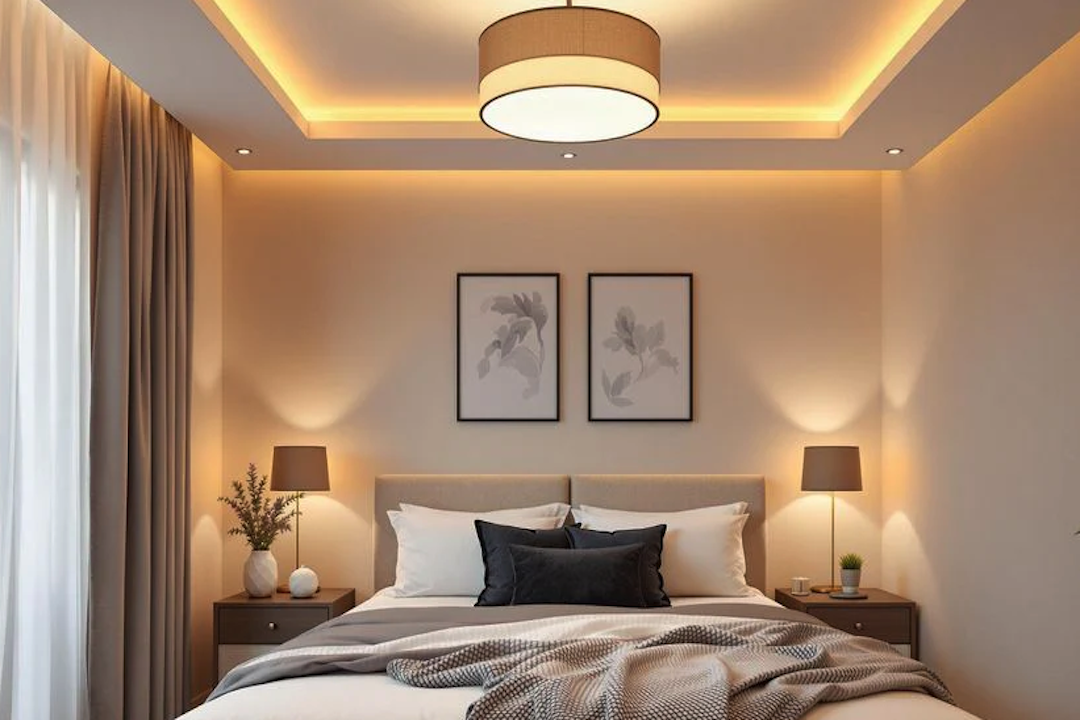
You want to make your bedroom a sanctuary, and a big part of that is controlling the light. The quick answer to enhancing your bedroom lighting experience is to embrace dimmable ceiling lights, especially those with a dedicated night mode. This combination offers unparalleled flexibility, allowing you to tailor the ambiance from bright and functional to soft and sleep-inducing, all without fumbling with multiple fixtures or harsh overhead glares. It’s about creating a truly responsive and comfortable space that adapts to your needs throughout the day and night.
Forget the days of a single, all-or-nothing overhead light. Dimmable ceiling lights Casalucelighting offer a world of difference in a bedroom setting. They provide a spectrum of brightness, letting you fine-tune the illumination to match your activity and mood.
From Task Lighting to Mood Setting
Imagine needing bright light to find that elusive missing sock, then instantly dimming it down for a relaxing evening read. Dimmable lights handle it all.
- Practicality First: When you’re getting ready in the morning, cleaning, or just need to see clearly, a brighter setting is essential. Dimmable lights give you that strong, even illumination when you need it.
- Creating Ambiance: As the day winds down, harsh overhead lighting can feel jarring. Dimmable fixtures allow you to gradually lower the light output, creating a softer, more intimate atmosphere perfect for unwinding. Think about a cozy movie night or a quiet chat.
- Visual Comfort: Our eyes are sensitive. Being able to adjust light levels helps reduce strain, especially if you spend a lot of time in your bedroom.
Energy Efficiency Benefits
Beyond comfort, dimmable lights can also be kinder to your wallet and the planet.
- Lower Power Consumption: When you dim an LED light, it uses less electricity. This might seem obvious, but it adds up over time. You’re not always running the light at full power, meaning less energy waste.
- Extended Bulb Lifespan: While not as significant with modern LEDs as with older incandescent bulbs, dimming can contribute to a slightly longer lifespan for your light sources by reducing the stress on their components.
Integration with Smart Home Systems
Modern dimmable lights often play well with smart home setups, adding another layer of convenience.
- Voice Control: Imagine saying “Alexa, dim the bedroom lights to 30%” without lifting a finger. It’s not sci-fi anymore, it’s everyday convenience.
- Scheduled Scenes: You can program your lights to gradually dim as your bedtime approaches or gently brighten as an alarm to wake you naturally.
- Remote Access: Forgot to turn off the lights before you left? Or want to switch them on before you get home? Smart dimmable lights let you control them from anywhere with your phone.
Understanding the “Night Mode” Feature
Night mode, or similar low-light settings, takes the concept of dimmable lighting a step further. It’s specifically designed with your sleep cycle and comfort in mind.
The Science Behind Low Blue Light
This isn’t just about dimming; it’s often about shifting the color temperature.
- Circadian Rhythm Disruption: Our bodies naturally respond to light. Blue light, prevalent in many modern light sources (and screens), signals wakefulness to our brains. Exposure to it in the evening can suppress melatonin production, the hormone that helps us sleep.
- Melatonin Production: Night mode lights typically reduce the blue light spectrum and emit warmer, more amber tones. This mimics the natural light cues of sunset, encouraging your body to prepare for sleep.
- Improved Sleep Quality: By minimizing blue light exposure before bed, you can potentially fall asleep more easily and experience a more restorative sleep.
Practical Applications of Night Mode
Think about how you use your bedroom in the evenings and overnight.
- Late-Night Bathroom Trips: Instead of being jolted awake by a bright light, a night mode setting provides just enough illumination to navigate safely without fully waking you up.
- Checking on Children/Pets: If you need to peek in on a child or pet in the middle of the night, a soft, warm glow is far less disruptive than a sudden burst of bright light.
- Gentle Wake-Up: Some smart systems can integrate night mode with a gradual wake-up feature, slowly increasing the warm-toned light before your alarm.
Not Just for Sleeping – Evening Unwinding
Night mode isn’t solely for turning off your brain; it’s also perfect for activities that don’t require full alertness.
- Reading in Bed: A warm, dim light is much more conducive to reading before sleep than a bright, cool light.
- Quiet Reflection: If you enjoy journaling or meditating in the evening, night mode creates a serene environment.
- Cuddling or Intimate Moments: The soft, amber glow can enhance the coziness and intimacy of the space.
Choosing the Right Dimmable Ceiling Light System
Not all dimmable lights are created equal. Knowing what to look for will help you make an informed decision that suits your needs and budget.
Types of Dimmable Bulbs/Fixtures
The technology behind the dimming matters.
- LEDs (Light Emitting Diodes): These are the gold standard now. They’re energy-efficient, long-lasting, and most modern LEDs are dimmable. Look for “dimmable” clearly stated on the packaging. Some offer adjustable color temperature (“tuneable white”) which is excellent for night mode.
- Halogen Bulbs: While less common now due to energy efficiency concerns, halogen bulbs are inherently dimmable and produce a warm light. However, they consume more power and have a shorter lifespan than LEDs.
- Smart Bulbs: These are often LEDs that have integrated smart technology, allowing for app control, scheduling, and often highly customizable dimming and color temperature changes. They typically don’t require a special dimmer switch, as the dimming is done within the bulb itself.
Dimmer Switch Compatibility
This is crucial for proper operation and avoiding flickering.
- LED-Compatible Dimmers: Standard traditional dimmers designed for incandescent bulbs might not work well with LEDs, leading to flickering, buzzing, or incomplete dimming. Always use a dimmer switch specifically rated for LEDs.
- Forward-Phase vs. Reverse-Phase Dimmers: Without getting too technical, some LEDs perform better with specific types of dimmers. If you’re encountering issues, consulting an electrician or the light fixture’s manufacturer can help identify the correct dimmer.
- Smart Dimmers/Switches: These replace your existing wall switch and offer app control, scheduling, and sometimes integration with smart home ecosystems. They’re an excellent option if you want to keep your existing “dumb” dimmable bulbs but add smart functionality.
Color Temperature Options
This is where you get to truly personalize your light.
- Warm White (2700K-3000K): This is the cozy, yellowish light often associated with incandescent bulbs. Ideal for bedrooms, especially in the evenings.
- Neutral White (3500K-4000K): A good all-around light, closer to natural daylight. Can be useful during the day for tasks, but might feel a bit too ‘office-like’ for evening winding down.
- Cool White/Daylight (5000K-6500K): Bright, bluish-white light. Great for task lighting in a kitchen or office, but generally not recommended for bedrooms, particularly at night, due to its blue light content.
- Tuneable White (CCT adjustable): The ultimate flexibility. These fixtures allow you to adjust the color temperature from warm to cool, giving you complete control over the light’s appearance and its impact on your circadian rhythm. This is ideal for achieving a true “night mode” with minimal blue light.
Installation and Setup Tips
Getting your new lighting system up and running doesn’t have to be a headache, but a little planning goes a long way.
DIY vs. Professional Installation
Decide based on your comfort level and local regulations.
- Basic Replacement: If you’re simply swapping out a standard light fixture for a dimmable one and the wiring is already there, it’s often a straightforward DIY job for those comfortable with basic electrical work (remember to turn off the power!).
- New Wiring/Smart Systems: If you’re adding new wiring, moving fixture locations, or installing a complex smart home system, consider hiring a licensed electrician. Safety is paramount when dealing with electricity.
- Smart Bulb Setup: Most smart bulbs connect directly to your Wi-Fi via an app and are very easy to set up yourself. The main challenge is just getting them into the fixture!
Wiring Considerations
A quick check before you start can save a lot of frustration.
- Ground Wire: Ensure your existing fixture box has a ground wire. Most modern homes will, but older homes might not, which can complicate certain dimmer switch installations.
- Neutral Wire: Many smart switches require a neutral wire in the switch box to function. This is a common stumbling block for DIYers. Check your existing switch wiring before buying a smart dimmer.
- Load Requirements: Some dimmer switches have minimum and maximum load requirements (wattage). Make sure your chosen bulbs fall within these specifications for optimal performance.
Testing and Configuration
Don’t just install and assume everything works perfectly.
- Flicker Check: After installation, slowly dim the lights from max to min and back up. Look for any flickering or buzzing, especially at the lower end of the dimming range. If you experience this, it might indicate an incompatible dimmer or bulb.
- Brightness Range: See if the lights dim to a satisfactory low level. Some dimmers and bulbs have a better range than others.
- Smart App Setup: For smart lights, take the time to customize scenes, schedules, and link them to your voice assistant. Experiment with different “night mode” settings to find what feels most comfortable for you.
- Trial and Error for Night Mode: Don’t be afraid to experiment with different color temperatures and dimness levels for your night mode. What works for one person might be too bright or too dim for another. Give yourself a few nights to adjust and find your perfect setting.
Maximizing Your Bedroom’s Ambiance and Comfort
Dimmable ceiling lights with a night mode aren’t just about functionality; they’re about enhancing your overall experience in your personal haven.
Layering Your Lighting
Don’t rely solely on overhead lighting, even if it’s dimmable.
- Task Lighting: Add bedside lamps for focused reading light. Look for ones with their own dimming capabilities or smart bulbs for individual control.
- Accent Lighting: Small LED strips behind your headboard, within shelving, or even a soft glow from a floor lamp can add depth and warmth to the room without being overwhelming.
- Think in Zones: Divide your bedroom into different lighting zones, each with its own purpose. Your ceiling light covers general illumination, while bedside lamps cover reading, and accent lights add a decorative touch.
Integrating with Your Sleep Routine
Make your lighting an active part of preparing for rest.
- Pre-Sleep Wind-Down: As bedtime approaches, gradually dim your main ceiling light and switch to night mode. Simultaneously, turn on any warm-toned bedside lamps. This signals to your brain that it’s time to relax.
- Morning Wake-Up: If your system supports it, schedule your lights to gradually brighten in a warm tone 15-30 minutes before your alarm. This gentle, simulated sunrise can make waking up feel more natural and less abrupt.
- “No Blue Light After X Time”: Try setting a personal rule for yourself. After a certain hour (e.g., 9 PM), only use night mode or very warm, dim lights in your bedroom. Avoid bright overheads and screens where possible.
The Long-Term Benefits
Investing in a proper lighting system for your bedroom pays dividends beyond the initial setup.
- Improved Well-being: A well-lit, comfortable bedroom contributes significantly to mental well-being. It’s a space where you can truly relax and recharge.
- Increased Productivity (Daytime): Ironically, a good night’s sleep, aided by proper evening lighting, leads to more energy and focus during the day.
- Enhanced Home Value: Smart lighting solutions can be an attractive feature for potential homebuyers, subtly adding to your home’s appeal.
- Tailored Experience: Ultimately, it’s about having a space that perfectly adapts to your needs, whether you’re tidying up, reading a book, or drifting off to sleep. The flexibility offered by dimmable ceiling lights with a night mode truly elevates the bedroom experience.
By thoughtfully applying these principles, you can transform your bedroom into a dynamically lit, comfortable haven that supports your holistic well-being, from morning routines to restful nights. It’s a practical investment in your daily comfort and long-term sleep health.