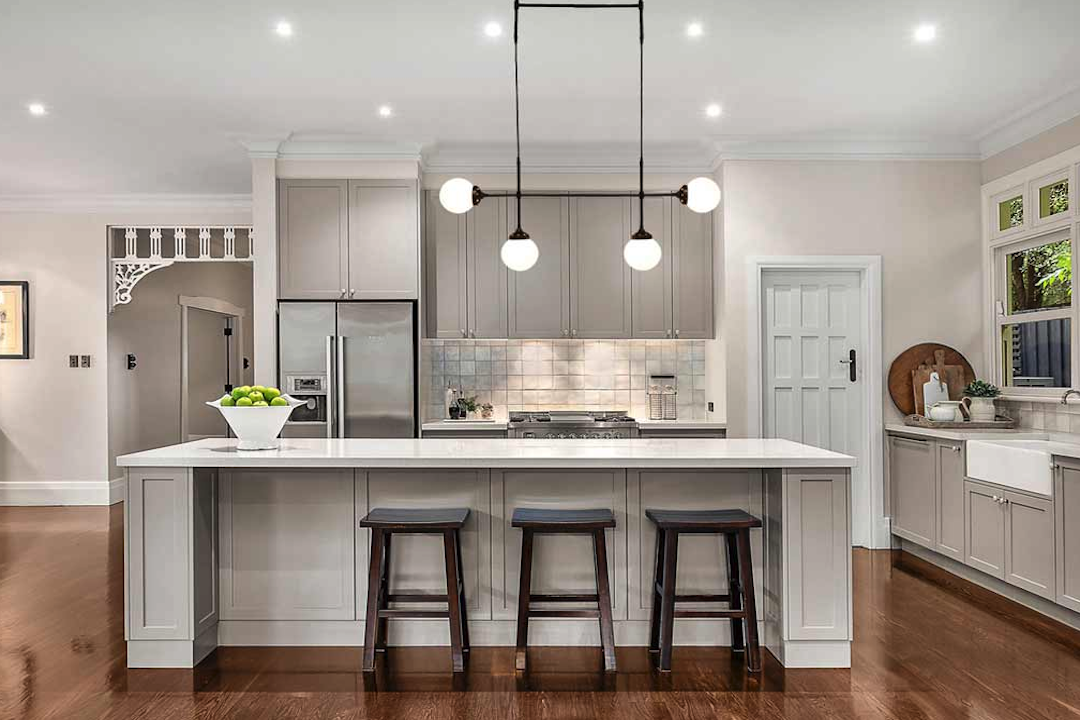
Thinking about a kitchen refresh? A linear pendant light might be just the thing to add some serious style and function! They’re not just pretty; they do a fantastic job of illuminating your space, especially over islands and countertops. Let’s dive into how these sleek fixtures can truly enhance your kitchen.
Linear pendant lights are having a moment in kitchens, and for good reason. They offer a modern aesthetic that can feel both sophisticated and understated. Unlike traditional chandeliers or individual pendant lights, their elongated shape casts a broad, beautiful light Simiglighting that’s perfect for the high-traffic areas in a kitchen.
Functionality Meets Form
The biggest draw of a linear pendant is its practicality. They’re designed to provide ample, even illumination. This is crucial in a kitchen where you’re chopping, prepping, and often trying to avoid dropping things! The length of the fixture ensures that a wider surface area is lit, minimizing shadows.
Improving Task Lighting
This is where linear pendants really shine. Imagine chopping vegetables under a bright, focused beam of light that extends across your entire cutting board. No more squinting or awkward movements to get out of your own shadow. The consistent light makes kitchen tasks safer and more enjoyable.
Creating Ambiance
Beyond just task lighting, linear pendants can significantly contribute to the mood of your kitchen. Many come with dimmable options, allowing you to transition from bright and functional for cooking to a softer glow for a relaxed evening meal or entertaining. The style of the fixture itself also adds to the overall ambiance, influencing the kitchen’s character.
A Modern Aesthetic
The clean lines of linear pendants often align perfectly with contemporary and modern kitchen designs. They offer a streamlined look that doesn’t clutter the visual space. This can make even a smaller kitchen feel more open and airy.
Complementing Kitchen Styles
While often associated with modern kitchens, linear pendants can surprisingly adapt to other styles. A fixture with a more industrial metal finish might work well in a farmhouse-inspired kitchen, while a minimalist design with a sleek matte black finish can elevate a Scandinavian-inspired space. The key is to choose a material and finish that harmonizes with your existing cabinetry and countertops.
Visual Impact
A well-chosen linear pendant isn’t just a light source; it’s a design statement. It can serve as a focal point, drawing the eye and adding a sophisticated finishing touch to your kitchen’s decor. The sheer presence of a beautifully designed linear fixture can elevate the entire room.
Where to Position Your Linear Pendant Light
The placement of your linear pendant is crucial for both its aesthetic appeal and its functional benefit. Think about the primary activities that happen in your kitchen when deciding where to hang it.
Over the Kitchen Island
This is the classic placement for a linear pendant, and for good reason. Islands are often the central hub of a kitchen, used for cooking, dining, homework, and socializing. A linear pendant perfectly covers this expansive surface, ensuring everyone has adequate light.
Balancing Scale
When placing a linear pendant over an island, consider the size of both. The light fixture shouldn’t be so long that it overwhelms the island, nor so short that it looks lost. A general rule of thumb is that the pendant’s length should be about two-thirds to three-quarters the length of the island. This creates a balanced visual.
Height Matters
The suspension height is equally important. You want the light to be low enough to provide focused task lighting but high enough to avoid being an obstruction when people are standing. A good starting point is usually about 30 to 36 inches above the countertop. However, this can vary based on the ceiling height and personal preference. You don’t want people bumping their heads!
Over a Dining Table or Peninsula
If your kitchen has a dining table or a peninsula that functions as a dining area, a linear pendant can be an excellent choice here too. It defines the dining zone and provides dedicated light for meals.
Defining Zones
In open-plan kitchens, a linear pendant can help visually separate the dining area from the cooking zone. This creates a more intentional and cohesive look for the overall space.
Setting the Mood for Meals
The gentle glow of a linear pendant over a dining area can make meal times feel more intimate and special. Dimmable options are particularly valuable in this scenario, allowing you to adjust the lighting to suit the occasion, from a bright morning breakfast to a candlelit dinner.
Above Countertops or Workstations
While islands are the most common spot, a linear pendant can also be effective over a long stretch of countertop that serves as a primary prep area. This is particularly useful in L-shaped or galley kitchens where a central island isn’t feasible.
Maximizing Workspace Illumination
If you have a dedicated baking station or a long counter where you do most of your work, a linear pendant can flood that area with light. This is incredibly practical for detailed tasks.
Addressing Awkward Layouts
Sometimes, the layout of a kitchen just doesn’t lend itself to a central island. In these cases, a strategically placed linear pendant can provide much-needed overhead light to key work zones, making the space more functional.
Types of Linear Pendant Lights to Consider
The world of linear pendants is diverse, offering a range of styles, materials, and features to suit different tastes and needs. Understanding the options can help you narrow down your choices.
Material and Finish Options
The material and finish of your linear pendant will significantly impact its visual appeal and how it integrates with your kitchen’s decor.
Metal Finishes
- Matte Black: A very popular choice for modern kitchens. It’s sleek, sophisticated, and versatile, pairing well with a variety of cabinet colors.
- Brushed Nickel/Stainless Steel: Offers a contemporary, clean look that’s durable and resistant to fingerprints. It complements stainless steel appliances beautifully.
- Polished Chrome/Nickel: Provides a brighter, more reflective finish that can make a kitchen feel more spacious and modern. It works well in high-contrast designs.
- Brass/Gold Tones: These warmer metallic finishes are making a comeback, adding a touch of elegance and luxury. They can soften a modern space or enhance a more traditional one.
- Bronze/Aged Brass: These offer a more vintage or industrial feel, bringing character and warmth to the kitchen.
Other Materials
- Glass: Many linear pendants feature glass shades, which can be clear, frosted, seeded, or colored. Clear glass offers unobstructed light, while frosted or seeded glass diffuses the light for a softer effect.
- Wood Accents: Some fixtures incorporate wood elements for a natural, Scandinavian, or mid-century modern feel.
- Acrylic: Lightweight and often used in very modern or minimalist designs, acrylic can provide a clean, translucent look.
Lighting Technologies
The type of bulbs and how the light is emitted also play a role in the fixture’s performance.
Integrated LED
- Pros: Many modern linear pendants come with integrated LED strips. This means the light source is built into the fixture itself. They are incredibly energy-efficient, long-lasting, and often offer a very slim profile. They also provide consistent, uniform light distribution.
- Cons: If the LED fails, you often have to replace the entire fixture, or at least a specialized LED module. They are also not typically dimmable unless specified.
Bulb-Based Fixtures
- Pros: You have the flexibility to choose the type of bulbs (e.g., incandescent, halogen, LED) and their brightness or color temperature. If a bulb burns out, it’s easy and inexpensive to replace.
- Cons: The design might be slightly bulkier to accommodate the bulbs. You need to ensure the bulbs you choose are compatible with dimmers if that’s a feature you desire.
Diffused vs. Direct Light
- Diffused Light: Fixtures with frosted glass or a diffuser panel spread the light more evenly and reduce glare. This is often preferred for general illumination and creating a softer ambiance.
- Direct Light: Some linear pendants are designed to direct light downwards, which is excellent for task lighting over specific areas like countertops or islands.
Installation Considerations for Linear Pendants
Installing a linear pendant light is generally a more involved process than hanging a single pendant, and it’s often best left to a qualified electrician. However, understanding the steps and what’s involved can help you prepare and communicate effectively with your installer.
Electrical Wiring
This is the most critical part. A linear pendant needs to be connected to your home’s electrical system. This involves:
Locating the Junction Box
The junction box is where the electrical supply enters the fixture. It needs to be securely mounted to a ceiling joist or a specialized brace to support the weight of the pendant. For linear pendants, especially larger ones, the junction box might need to be appropriately sized and rated for the fixture’s weight and electrical load.
Running New Wiring (If Necessary)
If you’re replacing an existing fixture that’s not centrally located, or if you don’t have any overhead lighting in the desired spot, you’ll need to run new wiring from your electrical panel. This is a job for a professional.
Understanding Voltage and Load
Your electrician will ensure the wiring, breaker, and junction box can handle the voltage and amperage requirements of your chosen linear pendant. This prevents potential hazards like overheating or electrical surges.
Mounting and Support
Linear pendants can be heavier and have a longer reach than single fixtures, so proper mounting is essential.
Secure Mounting Mechanism
Linear pendants come with specific mounting hardware. This might include canopy plates, mounting bars, or rods that distribute the weight across a larger area of the ceiling. It’s crucial that this mechanism is correctly installed and secured.
Drywall vs. Joist Mounting
Ideally, the junction box should be mounted directly to a ceiling joist for maximum support. If that’s not possible, a heavy-duty brace that spans between joists or is attached to a strong backing material within the drywall will be necessary. An electrician will know the best approach based on your ceiling structure.
Hanging Height and Leveling
Getting the height and the level of the pendant just right is key to its appearance.
Pre-Installation Measurements
Before any wiring or mounting, meticulously measure and mark where the pendant will hang. Consider the countertop height, ceiling height, and any furniture below it.
Using a Level
Once the fixture is hung, it’s imperative to ensure it’s perfectly level. A crooked light can detract from the overall aesthetic of your kitchen. Most installations will involve adjustable cables or rods that allow for fine-tuning.
Professional Installation Recommended
Due to the electrical work, potential need for structural reinforcement, and the importance of correct leveling, hiring a qualified electrician is highly recommended for installing linear pendant lights. It ensures safety, functionality, and a polished final look. They’ll have the tools and knowledge to tackle any unexpected issues that arise during the process.
Adding Smart Features and Dimmers
The functionality of your linear pendant can be significantly enhanced with smart technology and dimming capabilities. This allows for greater control and customization of your kitchen lighting.
Dimmable Options for Ambiance Control
The ability to dim your lights is a game-changer in the kitchen. It allows you to adjust the brightness to suit different tasks and moods.
Task vs. Ambiance Lighting
During meal prep, you’ll want bright, focused light. But when you’re relaxing after dinner or entertaining guests, a softer, more subdued glow is usually preferred. Dimmers provide this flexibility.
Energy Savings
Dimming lights not only saves energy but also extends the life of your bulbs, whether they are incandescent or LED.
Compatible Dimmer Switches
It’s important to ensure your linear pendant is compatible with dimmable bulbs or has an integrated dimmable driver. You’ll also need a compatible dimmer switch installed on your wall. Consult the fixture’s specifications and your electrician for the right choices.
Smart Lighting Integration
Bringing your kitchen lights into your smart home ecosystem opens up a world of convenience.
Voice Control
Imagine saying, “Alexa, turn on the kitchen lights” or “Hey Google, dim the pendant light to 50%.” Smart lighting allows for hands-free operation, which is incredibly useful when your hands are full or messy.
App Control and Scheduling
Many smart lighting systems can be controlled via smartphone apps. You can turn lights on/off, adjust brightness, and even set schedules remotely. This is great for simulating occupancy when you’re away or ensuring the kitchen is welcomingly lit when you arrive home.
Color Temperature Adjustments (For Some Models)
Some advanced smart linear pendants offer the ability to adjust the color temperature of the light, from warm, cozy tones to bright, cool daylight. This can further enhance the mood and functionality of your kitchen throughout the day.
Compatibility with Smart Home Hubs
Ensure your chosen smart linear pendant is compatible with your preferred smart home platform (e.g., Amazon Alexa, Google Home, Apple HomeKit).
LED Technology and Longevity
Many modern linear pendants utilize LED technology, which offers significant advantages.
Energy Efficiency
LEDs consume considerably less energy than traditional incandescent bulbs, leading to lower electricity bills over time.
Long Lifespan
LEDs have a much longer lifespan, meaning you won’t be constantly replacing bulbs. This reduces hassle and ongoing costs.
Consistent Light Quality
LEDs provide consistent light output and color over their lifespan, so you don’t have to worry about them dimming or changing color as they age.
Enhancing Your Kitchen’s Overall Design
Beyond just lighting, a linear pendant can act as a significant design element, contributing to your kitchen’s overall aesthetic and flow.
Creating a Focal Point
A well-chosen linear pendant can draw the eye and serve as a beautiful centerpiece in your kitchen. Its design, material, and the way it’s illuminated will all play a role in making it a statement piece.
Designer Styles
Many brands offer linear pendants with unique artistic designs. Whether it’s a sculptural form, an interesting material, or a distinctive shape, the right designer piece can elevate your kitchen from ordinary to extraordinary.
Guiding the Eye
The linear nature of the fixture naturally draws the eye along its length, which can be used to emphasize certain areas of the kitchen, like the island or a beautiful countertop.
Complementing Countertops and Cabinetry
The style and finish of your linear pendant should harmonize with your existing kitchen elements.
Material Harmony
If you have natural stone countertops, a fixture with metallic accents can add a touch of contrast and sophistication. For laminate or solid surface countertops, a bolder, more sculptural pendant might be a good choice.
Color Palette Coordination
Consider the dominant colors in your cabinetry, backsplash, and walls. A matte black pendant can ground a lighter kitchen, while a brass fixture can add warmth to darker cabinets.
Increasing Perceived Space
The clean lines and downward illumination of linear pendants can actually make your kitchen feel larger and more open.
Minimizing Visual Clutter
Unlike multiple scattered lights, a single, streamlined linear fixture reduces visual noise, making the ceiling appear less cluttered and the overall space more expansive.
Amplifying Natural Light
By effectively illuminating darker corners and work surfaces, linear pendants can make the most of any natural light present, further enhancing the feeling of openness.
Impact on Kitchen Flow
The placement and design of your pendant can subtly influence how you move through your kitchen.
Defining Pathways
The light shed by a linear pendant over an island can subtly define the transition zone between the cooking area and a dining or living space, guiding movement.
Creating Zones within Zones
In larger kitchens, a long pendant can create a distinct “work triangle” or dining nook that feels separate yet connected to the rest of the space.
Choosing and installing a linear pendant light is a fantastic way to boost both the style and the functionality of your kitchen. By considering placement, style, and features, you can create a space that’s not only beautiful but also a joy to cook and entertain in.