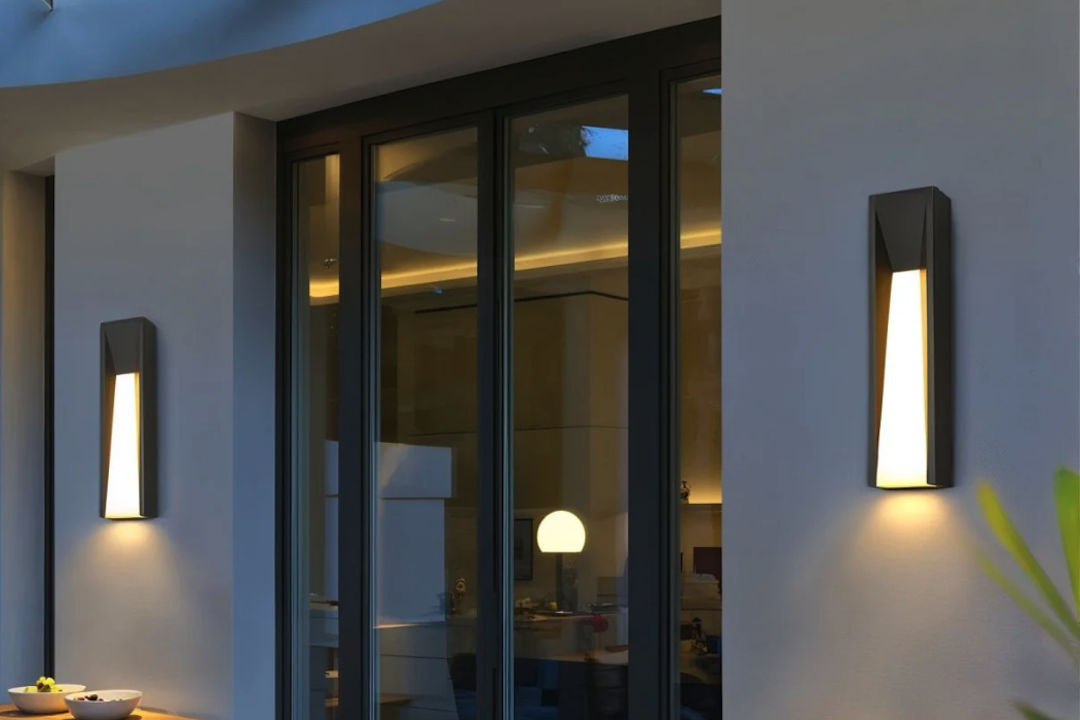
Thinking about sprucing up your outdoor patio with some wall lights? You’re in luck! Waterproof outdoor patio wall lights are a fantastic way to add both style and serious durability to your exterior. They’re designed to withstand the elements, look great, and provide practical illumination for your outdoor living space.
What to Look for in Waterproof Patio Wall Lights
When you’re shopping for these lights 32clothing, you’ll want to keep a few key things in mind to ensure you get the best bang for your buck and a product that will last. It’s not just about them being “waterproof”; there are nuances.
Material Matters for Longevity
The materials used in your patio wall lights have a huge impact on how well they hold up against rain, sun, wind, and temperature changes. Think of it like choosing the right gear for camping – you want something that can take a beating.
Rust-Resistant Metals
- Aluminum: This is a really popular choice for a reason. It’s lightweight, naturally rust-resistant, and can be cast into all sorts of intricate designs. Powder-coated aluminum is even better as it adds an extra layer of protection against corrosion.
- Stainless Steel: High-grade stainless steel (like 304 or 316) is incredibly durable and resistant to rust and corrosion. It has a sleek, modern look that complements many outdoor aesthetics. Just be aware that it can be a bit heavier and pricier than aluminum.
- Bronze or Copper Alloys: These materials develop a beautiful patina over time, which is a natural protective layer. They offer a classic, timeless look and are very hardy, though they can be more expensive upfront than other options.
Durable Plastics and Composites
- Polycarbonate: This is a very strong and impact-resistant plastic. It’s often used for light diffusers or entire fixtures. It’s less prone to cracking in extreme temperatures and is generally more affordable than metal.
- UV-Resistant Polymers: Higher quality plastic fixtures will be treated to resist fading and degradation from prolonged sun exposure. Always check the product description for UV resistance, especially if your patio gets a lot of direct sunlight.
IP Ratings: Your Waterproofness Guide
This is probably the most crucial technical spec you’ll encounter. IP ratings stand for “Ingress Protection” and tell you how well a fixture is protected against solids (like dust) and liquids (like water).
Understanding the Numbers
- The First Digit (Solids): This indicates protection against solid objects. For outdoor lights, you generally want a rating of 4 or higher.
- IP4X: Protected against solid objects larger than 1mm (e.g., wires).
- IP5X: Protected against dust ingress, where dust is not entirely prevented but will not interfere with the operation of the appliance.
- IP6X: Fully protected against dust.
- The Second Digit (Liquids): This is where the “waterproof” aspect really comes in. For outdoor wall lights, you’ll want at least a 4, but 5 or 6 is even better for exposed areas.
- IPX4: Protected against water splashes from any direction. This is generally the minimum acceptable for outdoor fixtures that aren’t directly in the line of fire for heavy rain.
- IPX5: Protected against water jets from any direction. This means it can handle a hose being sprayed on it, which is pretty good for most patio scenarios.
- IPX6: Protected against powerful water jets. This is ideal for areas that might experience high winds driving rain or get significant water exposure.
- IPX7/IPX8: Protected against immersion in water. While this is the highest level of waterproofing, it’s usually overkill for wall lights unless they’re placed in a location that could be regularly submerged.
What to Aim For
For most patio wall lights, aim for a fixture with an IP44 rating as a minimum, but IP45, IP55, or IP65 will offer superior protection against rain and moisture. If your patio is particularly exposed to driving rain or you live in a hurricane-prone area, looking for IP66 can provide extra peace of mind.
Style and Aesthetics: More Than Just Light
Beyond the practicalities, these lights are an extension of your home’s design. They can create atmosphere, highlight features, and even deter intruders. Thinking about how they’ll look when they’re on and off is important.
Fixture Design and Finish
- Contemporary/Modern: Think clean lines, geometric shapes, brushed nickel or black finishes. These often use integrated LED lighting for a sleek, unobtrusive look.
- Traditional/Classic: You might find designs with seeded glass, bronze finishes, or wrought-iron accents that evoke a more timeless feel.
- Rustic/Farmhouse: Look for distressed finishes, natural materials, and warm, inviting shapes.
Light Direction and Beam Angle
- Up-lighting: Creates a dramatic effect, washing the wall above with light. Good for highlighting architectural details.
- Down-lighting: Provides practical illumination closer to the ground, like for pathways or seating areas.
- Sconces with Shades: Often direct light downwards or outwards with a diffuser to soften the glow.
- Open Fixtures: Can be more decorative but might expose the bulb, so choose a bulb with a pleasing filament or shape.
Bulb Type and Brightness
The kind of bulb you use will significantly affect the light quality, energy consumption, and how often you’ll need to change it.
LED is King
- Energy Efficiency: LEDs use a fraction of the energy of traditional incandescent or halogen bulbs, which is great for your electricity bill.
- Longevity: They last for tens of thousands of hours, meaning you won’t be up on a ladder changing bulbs every few months.
- Durability: LEDs are solid-state, making them much more resistant to vibrations and physical shock than filament bulbs.
- Color Temperature: LEDs come in various color temperatures (measured in Kelvin). Warm white (2700K-3000K) is generally best for creating a cozy atmosphere on a patio, while cooler whites (4000K+) can feel more sterile.
Brightness Considerations (Lumens)
- Lumens vs. Watts: Lumens measure brightness, while watts measure energy consumption. For outdoor lighting, focus on lumens.
- Task Lighting: For areas where you need to see clearly (like a grill station or small dining table), aim for around 400-800 lumens per fixture.
- Ambient Lighting: For general atmosphere and accenting features, 150-400 lumens per fixture is usually sufficient.
- Dimmer Compatibility: If you want to control the mood, look for fixtures and bulbs that are compatible with dimmers.
The Benefits of Investing in Quality
Choosing well-made waterproof patio wall lights isn’t just about aesthetics; it’s a practical investment that pays off in several ways.
Enhanced Safety and Security
A well-lit patio makes it safer to navigate after dark, reducing the risk of trips and falls. Strategically placed lights can also deter potential intruders.
Illuminating Pathways and Steps
- Ensures clear visibility for guests and family members moving around your patio, especially near steps or uneven surfaces.
- Reduces the chance of accidents and makes your outdoor space more accessible.
Deterring Unwanted Visitors
- Brightly lit areas are less appealing to burglars or vandals.
- Motion-sensor lights can provide an extra layer of security, startling anyone who approaches unexpectedly.
Creating Ambiance and Atmosphere
The right lighting can completely transform your patio from a functional space into an inviting extension of your home. It’s about setting a mood.
Soft Glow for Relaxing Evenings
- Warm, diffused lighting can make your patio feel cozy and welcoming, perfect for unwinding after a long day or entertaining guests.
- Consider fixtures that provide upward or downward light to avoid harsh glare.
Highlighting Architectural Features
- Use wall lights to draw attention to interesting textures on your home’s exterior, landscaping elements, or decorative features.
- Uplighting can create dramatic shadows and add depth to your outdoor design.
Boosting Property Value
Attractive and functional outdoor lighting can make your home more appealing to potential buyers. It shows you’ve invested in the property’s overall look and usability.
Curb Appeal Upgrade
- Well-lit exteriors create a positive first impression, making your home stand out.
- It suggests a well-maintained and inviting property.
Extended Usable Space
- By making your patio usable and attractive at night, you’re essentially adding an extra “room” to your home.
- This increased functionality is a significant selling point.
Installation Considerations for Durability
Even the best waterproof lights won’t last if they aren’t installed correctly. Taking the time to do it right upfront will save you headaches later.
Wiring and Electrical Safety
This is the most critical aspect. Incorrect wiring can not only damage your lights but also pose a serious safety hazard.
Professional vs. DIY
- Hire an Electrician: For safety and peace of mind, especially if you’re dealing with mains voltage, hiring a qualified electrician is highly recommended. They’ll ensure everything is up to code and properly sealed.
- DIY Considerations: If you’re comfortable with basic electrical work and are dealing with low-voltage or solar-powered options, you might tackle it yourself. Always turn off power at the breaker before starting any work.
Using Waterproof Connectors and Junction Boxes
- Sealed Connections: All electrical connections exposed to the elements must be housed in waterproof junction boxes or use specialized waterproof connectors.
- Glands and Grommets: Ensure any wires entering fixtures or junction boxes are properly sealed using cable glands or grommets to prevent moisture ingress.
Mounting and Securing
How your lights are attached to the wall is just as important as the wiring. A sturdy mount prevents the fixture from loosening or falling.
Choosing the Right Fasteners
- Masonry Anchors: For brick or concrete walls, use appropriate masonry anchors to ensure a secure hold.
- Wood Screws: For wood-sided homes, use high-quality, exterior-grade screws that won’t rust.
- Rust-Proof Hardware: Always use stainless steel or coated hardware that won’t corrode, even in damp conditions.
Sealing Around the Fixture
- Caulking: After mounting, apply a bead of exterior-grade, UV-resistant caulk around the base of the fixture where it meets the wall. This creates an extra barrier against water seeping behind the light.
- Gasket Use: Many quality fixtures come with their own gaskets. Ensure these are properly seated before installation.
Integrated Systems (Solar & Smart Lighting)
Modern options offer easier installation and added functionality, but still require attention to detail.
Solar-Powered Lights
- Placement is Key: For solar lights, positioning the panel in direct sunlight for the majority of the day is crucial for adequate charging.
- Battery Health: Understand the expected lifespan of the rechargeable battery and when it might need replacing.
Smart Home Integration
- Wi-Fi or Bluetooth Connectivity: Ensure your chosen smart lights have a reliable signal strength at their intended location.
- Weatherproofing of Electronics: While the fixture itself should be waterproof, the internal smart components also need to be protected. Check manufacturer specifications for operating temperature ranges.
Maintenance for Long-Term Performance
Even the most durable lights will perform better and last longer with a bit of regular care. It’s usually pretty straightforward.
Cleaning and Inspection
Regularly check your lights for any signs of wear or damage.
Dust and Dirt Removal
- Gentle Cleaning: Use a soft cloth or brush to wipe away dust and cobwebs. For tougher grime, a slightly damp cloth with mild soap is usually sufficient. Avoid abrasive cleaners.
- Lens Clarity: Keep the lenses or diffusers clean to ensure maximum light output and proper diffusion.
Checking for Corrosion or Damage
- Visual Inspection: Look for any signs of rust, flaking paint, loose parts, or cracks in the housing or glass.
- Tighten Fasteners: Periodically check that mounting screws and bolts are still snug.
Bulb Replacement and Battery Care (if applicable)
While LEDs last a long time, other components might eventually need attention.
LED Lifespan
- Seldom Needed: For most integrated LED fixtures, bulb replacement isn’t a concern for many years, often longer than the fixture itself might be desired.
- Integrated Units: If the LED module is separate, ensure you source a compatible replacement.
Solar Battery Maintenance
- Annual Check: Consider replacing the rechargeable batteries in solar lights annually or bi-annually, depending on usage and climate, to maintain optimal performance.
- Cleaning Solar Panels: Wipe down solar panels periodically to ensure they’re receiving maximum sunlight.
Popular Styles and Features to Consider
When you start browsing, you’ll notice a few key themes and features that tend to be popular and practical for outdoor patios.
Gooseneck and Barn Style Lights
These often bring a slightly more traditional or rustic vibe, with a distinctive curved arm and a bell-shaped or directional shade.
Visual Appeal
- Classic Charm: They evoke a sense of timeless design, reminiscent of old-fashioned farmhouses or industrial workshops.
- Directional Light: The shades are typically designed to direct light downwards, making them great for illuminating specific areas like doorways or seating zones without creating glare.
Durability Aspects
- Robust Construction: Many are made from metal like aluminum or steel with powder-coat finishes that hold up well to outdoor conditions.
- IP Ratings: Look for models with decent IP ratings, as the open nature of some of these designs means good sealing is important.
Lantern-Style Wall Lights
These fixtures mimic the look of traditional lanterns, often featuring glass panes and decorative metalwork.
Ambiance Creators
- Warm and Inviting: The glass panels (clear, seeded, or frosted) diffuse light beautifully, creating a soft, inviting glow that’s perfect for relaxation.
- Decorative Details: The metal frames can range from simple to ornate, allowing you to match them to your home’s architectural style.
Material and Protection
- Glass Sensitivity: While the metalwork is usually durable, be mindful of the glass panes. Look for tempered glass for added durability.
- Gasket Seals: The quality of the seals around the glass is crucial for preventing moisture from entering the lantern.
Modern and Minimalist Sconces
These are all about clean lines, geometric shapes, and a less-is-more approach to design.
Sleek and Understated
- Contemporary Feel: Perfect for homes with modern architecture, these lights blend seamlessly into the background when off and provide focused, stylish illumination when on.
- Integrated LEDs: Many minimalist designs feature built-in LED strips or boards, giving them a very clean, integrated look.
Functional Design
- Up/Down Lighting: Common designs cast light upwards and downwards, creating interesting patterns on the wall and providing both accent and functional light.
- Durability in Simplicity: Their simple forms often mean fewer places for water to gather or damage to occur, provided the materials are high quality.
Features That Add Convenience
Beyond the basic light output, several features can make your patio lighting more user-friendly.
Motion Sensors
- Security Boost: Lights that turn on automatically when motion is detected can enhance security and also save energy by only being on when needed.
- Convenience: Useful for illuminating pathways as you approach or for areas where you might only need light sporadically.
Dusk-to-Dawn Sensors
- Automatic Operation: These sensors turn lights on automatically at dusk and off at dawn, so you don’t have to remember to do it yourself.
- Consistent Illumination: Provides a constant, low-level light throughout the night, which can be useful for maintaining visibility.
Dimmable Options
- Mood Control: Being able to adjust the brightness allows you to tailor the ambiance for different occasions, from bright and functional for entertaining to dim and cozy for a quiet evening.
- Energy Savings: Dimming lights also reduces energy consumption.
By considering these factors, you can select waterproof outdoor patio wall lights that not only look fantastic and withstand the elements but also enhance the safety, security, and enjoyment of your outdoor living space for years to come.